The clay layer that decides every job here
Duncan sits in South Carolina's Piedmont, where topsoil gives way to dense red and orange clay within a few inches of the surface. That clay layer is what every drainage job here is working around, and it is what separates a quote built for this zip code from one copied off a coastal project. Piedmont clay doesn't absorb water the way sandy soil does — it sheds water sideways, following the path of least resistance across the top of the hardpan. A French drain installed here intercepts that lateral sheet flow and routes it to a daylight outlet. It is not pulling water downward through the earth, and any design that assumes otherwise will fail within a few seasons.
That matters for sizing too. The aggregate specification, pipe diameter, and trench depth that work in a sandy-soil install aren't right for dense Piedmont clay. Duncan's growth through the 1990s and 2000s along the I-85 corridor added thousands of subdivision lots where the original grading was engineered for the builder's layout, not for the patios, fences, retaining walls, and additions that followed over the next two or three decades. Those changes break the original drainage plan, and that's behind most of the standing-water calls we get in this area. If you're trying to diagnose the situation before calling anyone, the standing water diagnostic walks through what to rule out first.
What drainage work costs in Spartanburg County
French drain pricing moves with three variables: run length, clay depth, and outlet accessibility. Those three factors are largely independent of each other, which is why two neighbors with similar-looking yards can get quotes that differ by several thousand dollars. The table below reflects common residential scopes for this area. For a full line-item look at materials, labor, and outlet construction, see the French drain cost breakdown.
| Scope | Typical Range |
|---|---|
| Single lateral run, 50–75 ft, daylight outlet | $3,000 – $5,500 |
| Extended run, 100–150 ft, with collection box | $5,000 – $9,000 |
| Multiple laterals and collection manifold | $7,000 – $12,000 |
| French drain combined with surface swale grading | $6,500 – $12,000 |
| Whole-yard regrading with integrated drainage | $15,000+ |
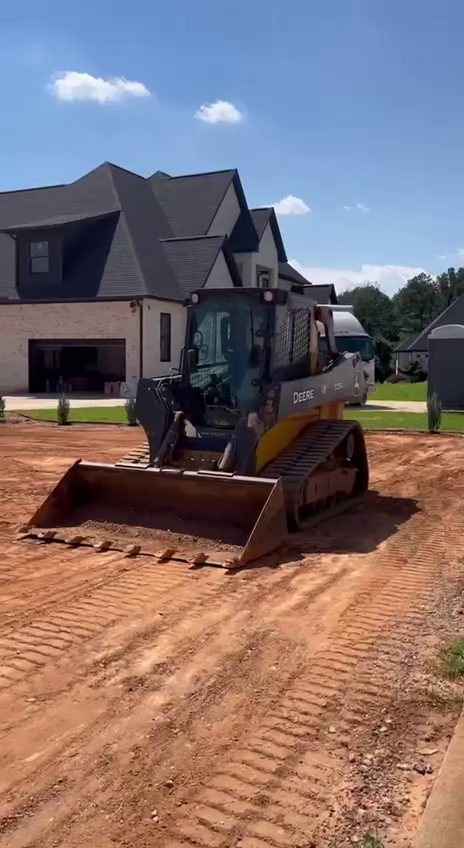
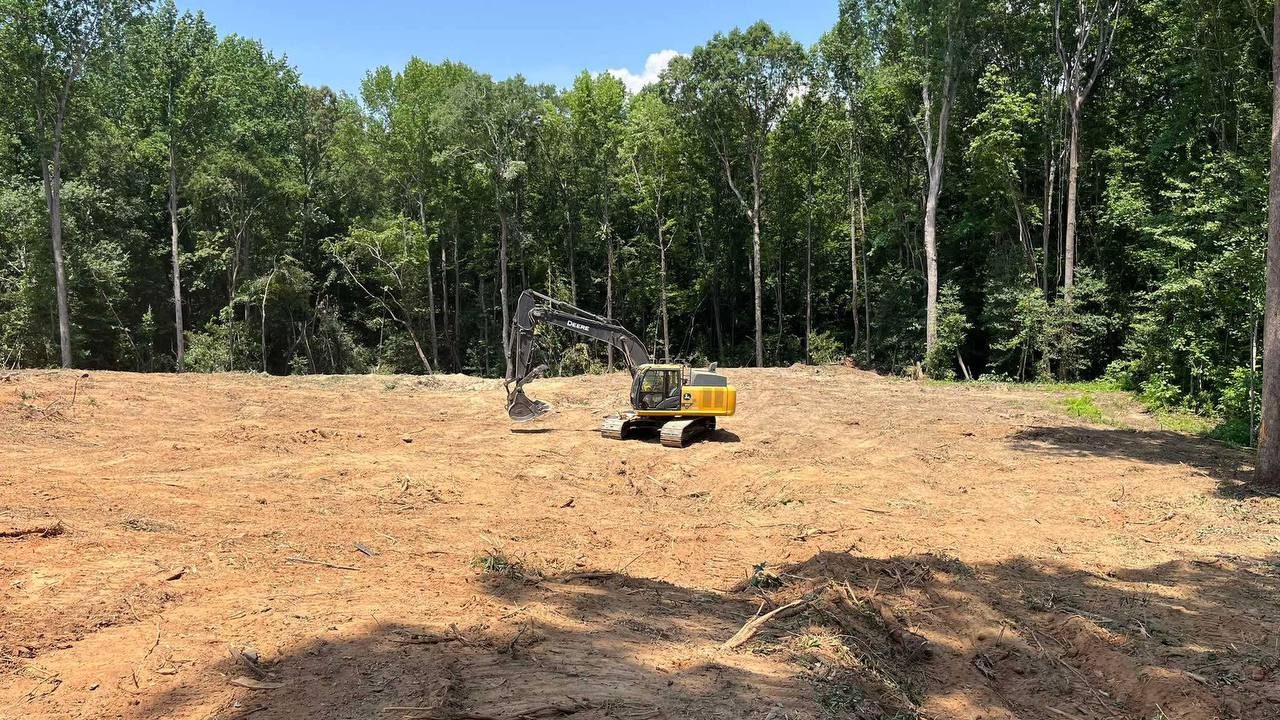
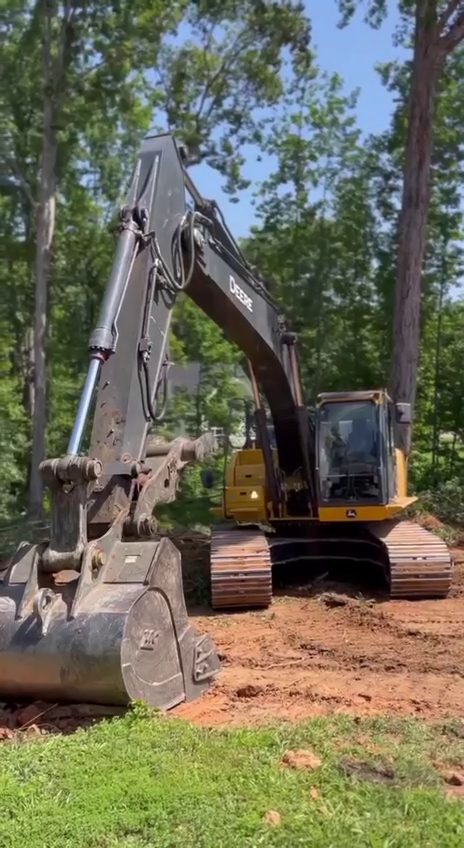
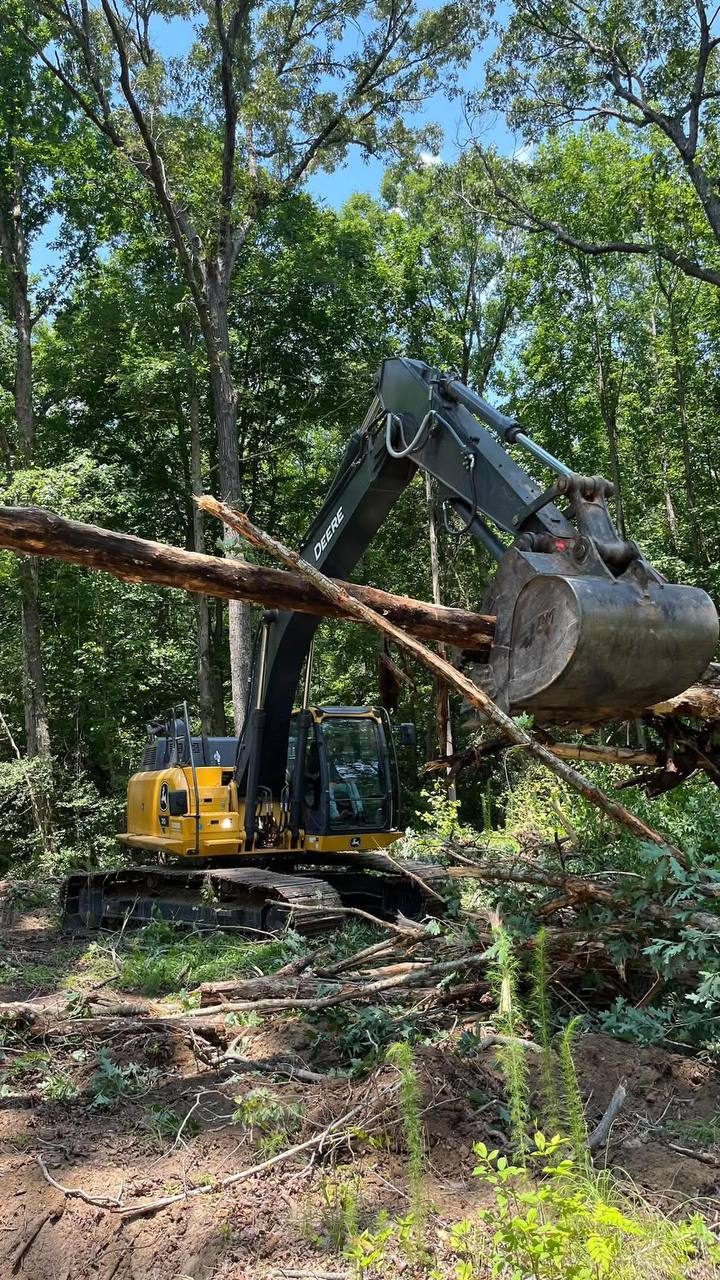
The Piedmont clay premium is real. Cutting through hardpan adds equipment time and sometimes requires a track excavator on lots where a standard skid-steer would struggle. Any quote that treats this terrain like a flatland or coastal job — same depths, same aggregate, no mention of soil conditions — is worth questioning before you sign it.
Stormwater rules and permits for this work
Most residential French drain installs in Spartanburg County involve modest land disturbance, but it is worth knowing where the federal line sits. The EPA's NPDES stormwater program requires a Construction General Permit for projects that disturb one acre or more of land. A single French drain run on a residential lot rarely reaches that threshold, but combined drainage-and-regrading projects on larger parcels can get close. Knowing your project's disturbance footprint before work starts keeps you on the right side of that requirement.
At the state level, the SC Building Codes Council sets the residential construction standards governing how drainage structures are built and how they tie into existing site drainage. Local jurisdictions may adopt amendments above that baseline, and permit requirements vary by scope. A licensed contractor should know which permits apply to your job and should pull them before equipment arrives. If a bidder says permits aren't needed for a job that involves significant excavation and grading, that answer deserves follow-up — the compliance obligation doesn't disappear because it wasn't mentioned in the quote.
Spartanburg County has recorded 22 federal disaster declarations over 1991-2026, most tied to storm and flooding events. Drainage work designed around light-rain assumptions rather than the actual rainfall this region produces will underperform the first time the county sees a heavy system.
Where the water goes — outlets and your property line
The outlet is the part of a French drain job most homeowners don't think about until it creates a problem. Water intercepted by a drain has to terminate somewhere, and in a Spartanburg County subdivision, the options are constrained: a daylight outlet on your own property edge, a connection to an approved drainage ditch or swale, or in some cases an easement across a neighboring parcel. What it cannot do is pond on a neighbor's lot, connect to a public stormwater system without county approval, or terminate in a way that creates new erosion downhill.
Compact suburban lots in Duncan — the typical 0.2- to 0.5-acre parcels from the growth era — make outlet placement a real design constraint. The right outlet location isn't always the closest or cheapest one. When you're reviewing bids, ask each contractor to show you on a site sketch exactly where the outlet terminates and confirm it stays on your property. A vague answer on that question is a warning sign. For a detailed look at how a proper install is scoped from trench to outlet, the installation overview covers what a solid scope document should include before any equipment shows up.
Hiring a licensed contractor for Piedmont clay jobs
South Carolina requires drainage and excavation contractors to hold the appropriate license for the scope of work they're performing. The SC Contractor's Licensing Board maintains a public license lookup — verify any contractor before signing a contract. The distinction between a landscaper and a licensed grading and excavation contractor matters on jobs that involve significant earthwork or tie into stormwater infrastructure; the license class determines what a crew is legally authorized to do.
Three questions that separate experienced Piedmont-clay crews from crews running a standard playbook: how they handle the hardpan during trench work, what aggregate specification they use in clay-heavy soil, and how they confirm outlet grade before backfilling. A crew that answers all three without hesitation has worked this terrain before. One that pivots to price or timeline without addressing soil conditions has not.