The grade break that changes every quote
Travelers Rest sits at the edge of Greenville County's Piedmont flats, right where the land begins its climb toward the Blue Ridge Escarpment. Within a mile or two of Main Street, residential lots shift from workable two-percent grades to cut-and-fill hillsides that drop or rise 20 feet across a typical build envelope. A clearing crew pricing work near the river-flat side of Poinsett Highway is quoting a different job from one working a ridge lot off Tigerville Road, even when the acreage reads the same on paper.
That grade shift is what most flat-rate quotes don't account for. Equipment that handles suburban Greenville County subdivisions can't efficiently work a steep hillside lot; haul distance from slope parcels adds time and cost; and rocky outcrops that don't appear on a site plan show up fast once a machine breaks ground. Any quote for land clearing in Travelers Rest, SC that doesn't ask about terrain is priced for the easy version of your property.
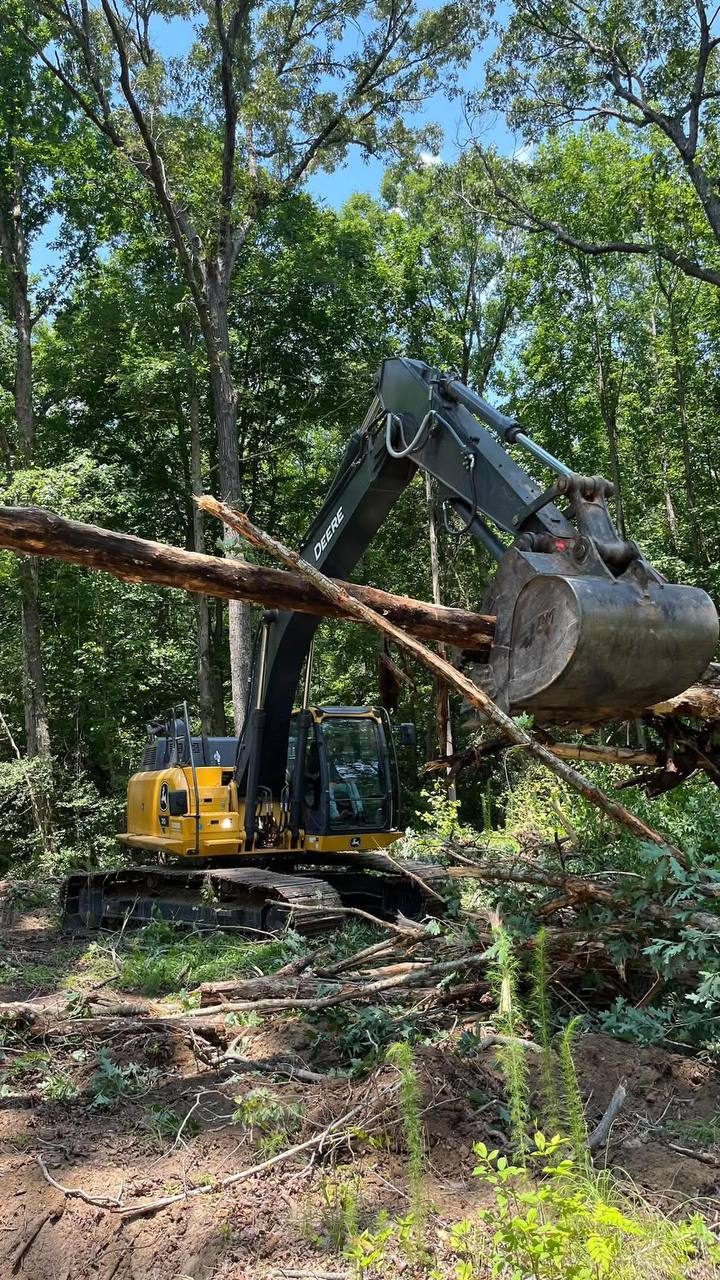
The foothills also carry a denser hardwood mix than the Greenville plateau — mature oak, hickory, and poplar stands that take longer to fell and produce heavier debris loads than the pine-and-scrub cover common in lower-elevation county work. Both the base clearing price and the stump count reflect that density.
Clearing, brush removal, and grading are not the same scope
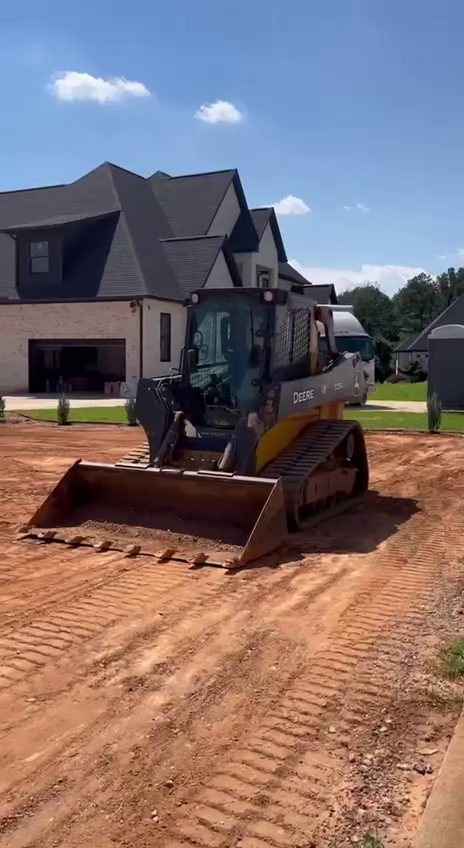
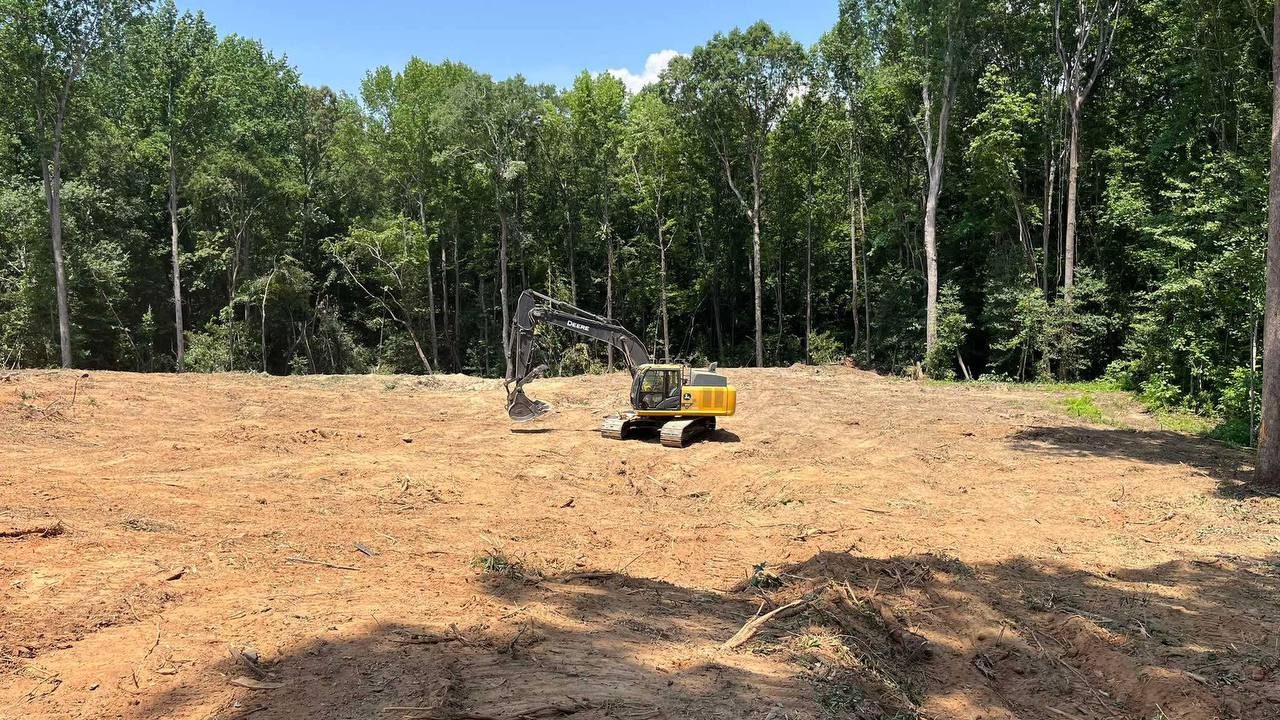
At its lightest, clearing means a brush clearing pass: removing briars, undergrowth, and small saplings from a lot left untouched for a few seasons, usually with existing trees left standing. At its most complete, full land clearing means felling mature trees, grinding or extracting stumps, grubbing roots, rough-grading for drainage, and hauling everything off-site. Those are not the same price, the same equipment, or the same crew.
For a Travelers Rest residential lot being prepped for construction, the full scope typically covers: tree removal, stump grinding, rough grading to establish positive drainage away from the future foundation line, and debris disposal. Greenville County's mix of Piedmont clay and rock-transition soils on slope lots means rough grading is real work — a grade pass that takes an hour on flat clay can run half a day when you're managing grade breaks and rocky subsoil near the foothills transition.
If the goal is to clear view lines or clean up an overgrown pasture edge while keeping existing canopy, that's a narrower scope and a lighter price. The land clearing cost guide breaks down how scope layers compound the final number.
What jobs here actually cost
The ranges below reflect the Travelers Rest and foothills Greenville County market. Flat lots near county road infrastructure price near the lower end; slope lots with mature hardwood cover or significant stump counts move toward the top. Any job that requires an engineered grading plan — common once site disturbance crosses the county's permit thresholds — carries an additional professional fee not shown in the ranges below.
| Scope | Typical Range |
|---|---|
| Brush and light scrub, flat lot under half an acre | $750–$1,500 |
| Residential lot, light to moderate tree cover | $1,500–$3,000 |
| Residential lot, moderate cover with stump grinding | $2,500–$5,000 |
| Slope lot, heavy hardwood canopy with stump grinding | $4,000–$8,000 |
| Multi-acre wooded parcel with rough grading | $6,000–$10,000+ |
The local variables that move every number: slope degree (adds equipment time and haul cost), stump count and diameter, distance to the nearest debris facility, and whether the parcel has rock outcrop that reveals itself after ground break. Steep lots in the Travelers Rest corridor can carry all four of those variables at once.
Permits and stormwater before the first cut
Greenville County requires land disturbance permits for projects that exceed certain site-disturbance thresholds, and clearing a residential lot for construction typically triggers that review. The Greenville County Land Development Division administers grading and clearing permits for unincorporated areas; parcels within Travelers Rest's town limits may face additional local requirements.
Federal rules add a second layer. Under the EPA's NPDES Construction Activity program, land disturbance of one acre or more requires a Stormwater Pollution Prevention Plan and coverage under South Carolina's Construction General Permit. On slope lots, that threshold comes sooner than it looks — once clearing and grading footprints are both counted, parcels that appear small on a plat can clear the one-acre trigger easily.
Greenville County has accumulated 23 federal disaster declarations over 2003-2026, most of them storm and flooding events. The drainage history around slope lots in the foothills reflects that record. A crew that skips erosion controls after clearing isn't saving time — they're leaving the stormwater liability on your property and your permit.
Picking a crew for slope lot work
Grade changes separate general clearing crews from the ones who actually know this terrain. Before any contract, ask three things: Have they worked lots with significant grade breaks in this part of Greenville County? What is their erosion-control plan once trees are down and soil is exposed? And do they carry the contractor license required by the SC Contractor's Licensing Board for the scope and dollar value of work they're proposing?
That last question has real weight in South Carolina. Grading and land clearing above certain value thresholds requires a licensed specialty or general contractor. Unlicensed work at that scale can void a permit, complicate a property insurance claim, and leave the landowner without recourse if the work is done wrong or incomplete.
The right crew asks about drainage before they ask about tree count. The destination of the lot — foundation pad, driveway approach, pasture, landscaping — changes what finished grading should look like and whether the slope needs to be engineered or simply dressed. A crew that doesn't ask that question is scoping the job for themselves, not for you.