Growth-corridor clearing and what it changes about your job
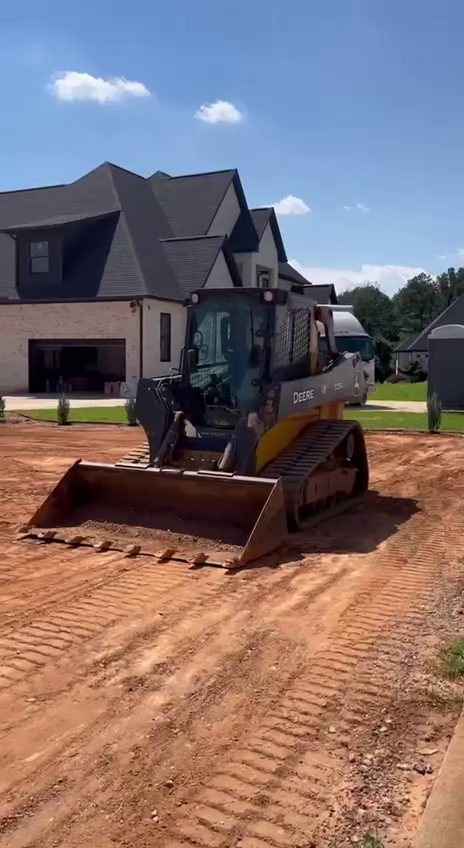
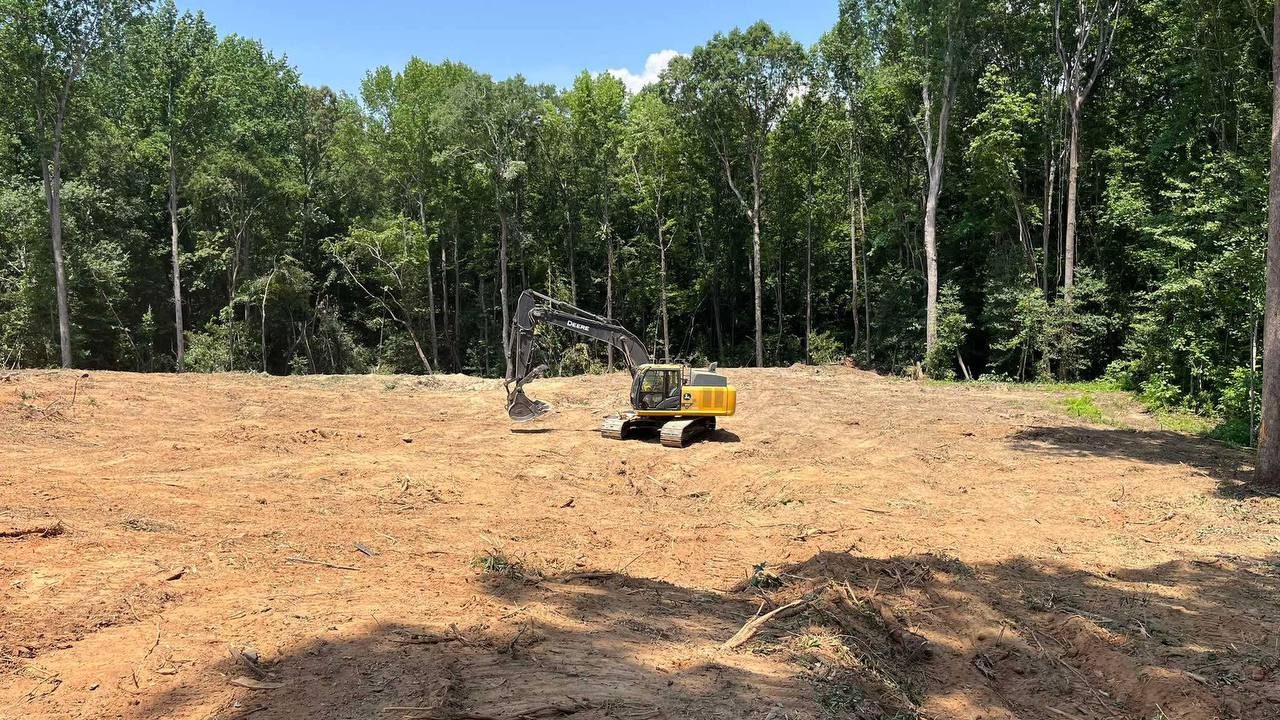
Duncan's position on the I-85 corridor between Spartanburg and Greenville has made it one of the faster-developing stretches of Upstate SC. Industrial growth pulled subdivisions and infill development with it, and the parcels being cleared now are more likely to have a foundation pour or utility rough-in scheduled behind them than a residential lot that simply needed overgrowth removed. That construction-sequence context changes what a proper clearing scope includes: the site needs to leave the job draining correctly and compliant with stormwater requirements, not just free of trees and brush.
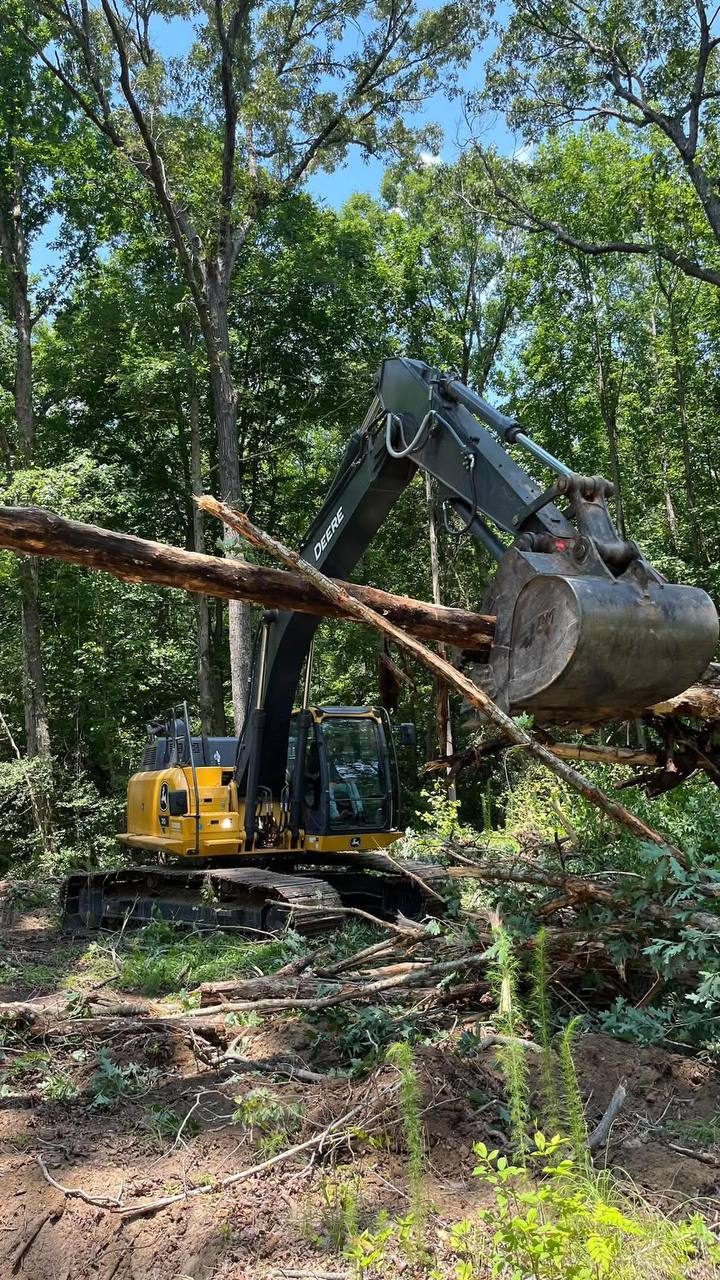
The lots clearing crews encounter around Duncan range from established residential parcels shaded by decades-old pine stands to raw former farmland platted for new construction — sometimes adjacent to each other on the same street. If your project is a fence line, a pasture edge that has gone wooded, or a lot you have owned for years that needs clean-up rather than site prep, the brush clearing scope is a better fit and priced meaningfully differently from full site work.
What scope and price look like for Duncan-area jobs
Spartanburg County's Piedmont terrain adds line items that simpler quotes leave out. Red clay holds water after clearing; rolling slopes channel runoff toward structures and property lines; mixed pine and hardwood canopy means stumps that vary in size, hardness, and density. The table below gives honest ranges for the work types most common in this area. For a full breakdown of what drives each line item, the land clearing cost page covers scope and cost in detail.
| Scope | Typical Range |
|---|---|
| Light brush and understory, under half-acre | $750–$1,500 |
| Residential lot clearing, trees only, no stumps | $1,500–$3,000 |
| Residential lot with full stump grinding | $2,500–$5,000 |
| Full lot clearing with rough grading | $3,500–$8,000 |
| Wooded acreage, 1–3 acres, full service | $6,500–$10,000+ |
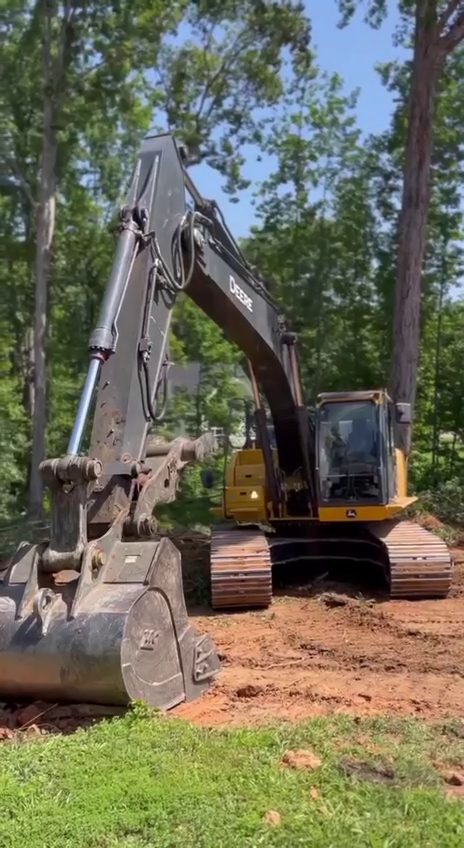
Stump work is the largest swing factor in that table. Hardwood stumps on Piedmont clay are slow to grind and hard on equipment; on a heavily wooded lot, the per-stump cost can represent half the total job. Any quote that lists clearing as a single number without separating stumps is bundling a variable worth having broken out before you sign.
The stormwater threshold most owners miss
Federal rules require a Stormwater Pollution Prevention Plan on any construction project disturbing one acre or more of land. In a county developing at Spartanburg's current pace, that threshold arrives faster than owners expect: a residential parcel combined with a right-of-way easement, or a phased project where grading and clearing overlap, can cross the acre mark without an obvious trigger. The EPA's NPDES construction stormwater program governs the federal framework; South Carolina administers its own land disturbance permitting at the state level.
Duncan sits in Spartanburg County, but many parcels in this corridor run close to the Greenville County line. If your project touches Greenville County jurisdiction, the Greenville County Land Development Division handles land disturbance permitting on that side. Confirming which county your parcel falls in before filing is worth the check — applying for the wrong permit wastes time you may not have on a construction schedule.
The regional storm and flood record is real: federal disaster declarations have affected this area 22 times over 1991-2026, and the saturation patterns those events represent are what happens to bare red clay after clearing and before stabilization. Any crew quoting a job near or above one acre that does not raise the stormwater plan question is either not planning to handle permit compliance or assuming you are — confirm which before work starts.
Contractor credentials and what SC requires
South Carolina requires contractor licensing for work above certain dollar thresholds. The SC LLR Contractor's Licensing Board is the authority on which classification applies to your project: grading and site work falls under general or specialty contractor categories depending on scope and contract value. A crew that clears only may operate under a different threshold than one that also grades and installs sediment control structures. Confirming the license class before work starts takes a few minutes and protects you if something goes wrong on a job that required it.
Three questions worth asking before you sign: What is the stump plan, and is grinding priced as a separate line item? Who handles stormwater permit documentation if the job crosses the acre threshold? And does the quoted price include rough grading to positive drainage, or does the site leave as cleared and roughly flat? For a full picture of what a proper scope includes from initial walk to final grade, the land clearing service page explains each phase.
Timing on Piedmont clay
Equipment availability in a high-demand submarket like Duncan runs tighter than in lower-growth areas of the county. Jobs tied to a construction start date — especially those requiring stormwater permit review — are worth scheduling earlier than feels necessary. Permit review timelines and equipment mobilization in a busy subcontractor market do not compress on request, and a delayed clearing start can push a foundation schedule by weeks in a market where every trade is booked ahead.
Clay soil also rewards the right seasonal window. Clearing during dry summer or early fall leaves a stable surface for the next phase; clearing on saturated clay in wet winter or early spring means equipment can rut the site in ways that add significant grading cost to restore. If your project has schedule flexibility, ask your crew about recent site conditions when you get the quote — a good crew knows what the ground is doing before they mobilize.