What Spartanburg County clay does to every grading job here
Boiling Springs sits in one of the fastest-growing residential corridors in Spartanburg County, with new subdivisions cutting into land along Highway 9 and Highway 150 that spent years as pasture and timber. Under the topsoil, that land runs Piedmont red clay from a few inches down: dense, slow to drain, and prone to surface ponding after any meaningful rain. The same clay bakes close to concrete in a dry summer and softens enough by winter to shift a poorly compacted driveway or redirect drainage away from where it was graded.
Grading jobs here need to be designed around that clay behavior from the start, particularly where the final drainage outlet terminates and how the material settles over a full seasonal cycle. A lot that inspects flat on a dry fall day can pond at the downhill edge the following spring. That gap between level and properly drained is where most of the problem calls in this area originate. The growth rate compounds it: mass graders working a new subdivision set rough elevations and move on; individual finish grading, the cut that determines where every storm drop eventually goes, gets priced separately and skipped often. See grading and excavation services for how drainage-first scoping works.
Grading work that actually comes up in Boiling Springs
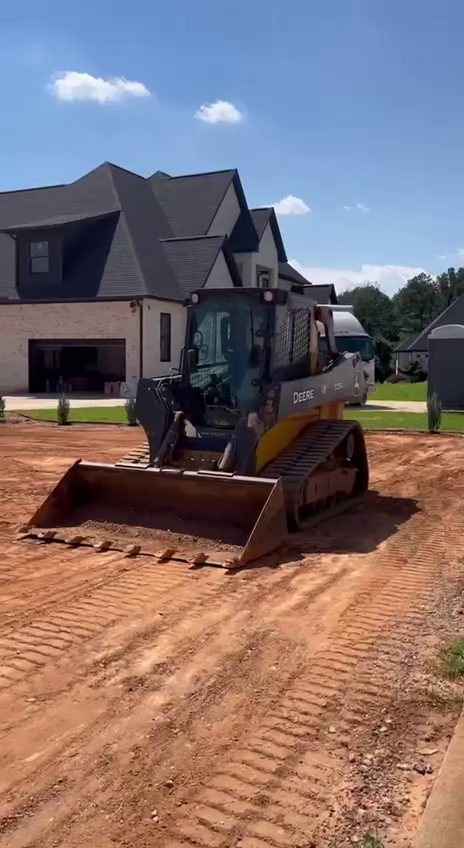
The most common residential grading calls in and around Boiling Springs break into four categories. Lot preparation for new construction: clearing, cutting, and filling to establish a building pad at the right elevation before a foundation or slab goes in. Drainage corrections on existing homes: identifying why water pools near a foundation or in a low yard area, then cutting swales or bringing in fill to redirect it. Driveway work: cutting new access from the road to a building pad, compacting a stable base, and tying the finished drive into the lot grade without creating a drainage problem at the culvert end. And what local contractors call production leftovers: lots in new subdivisions where the mass grader left rough final grades for individual owners to clean up at their own cost, which happens more in fast-growth Spartanburg County than in slower markets. The fix is usually quicker than a full regrading job, but it still requires equipment, and pricing it over the phone without a site visit leads to surprises in both directions.
Thorough site preparation that includes a properly graded drainage path is the single most reliable way to avoid a repair call two to three years after a build. It is also the cheapest fix before sod, landscaping, or a concrete walk limits equipment access to the low spot.
What grading costs on Spartanburg County lots
The full grading cost breakdown has line-item ranges by scope type. For residential work in and around Boiling Springs:
| Scope | Typical Range | Primary Price Driver |
|---|---|---|
| Finish grading, standard residential lot | $1,200 – $2,400 | Lot size, existing relief |
| Drainage correction or regrade | $1,500 – $3,500 | Depth of problem, outlet path |
| Driveway cut and base preparation | $1,800 – $4,500 | Length, slope, fill or cut volume |
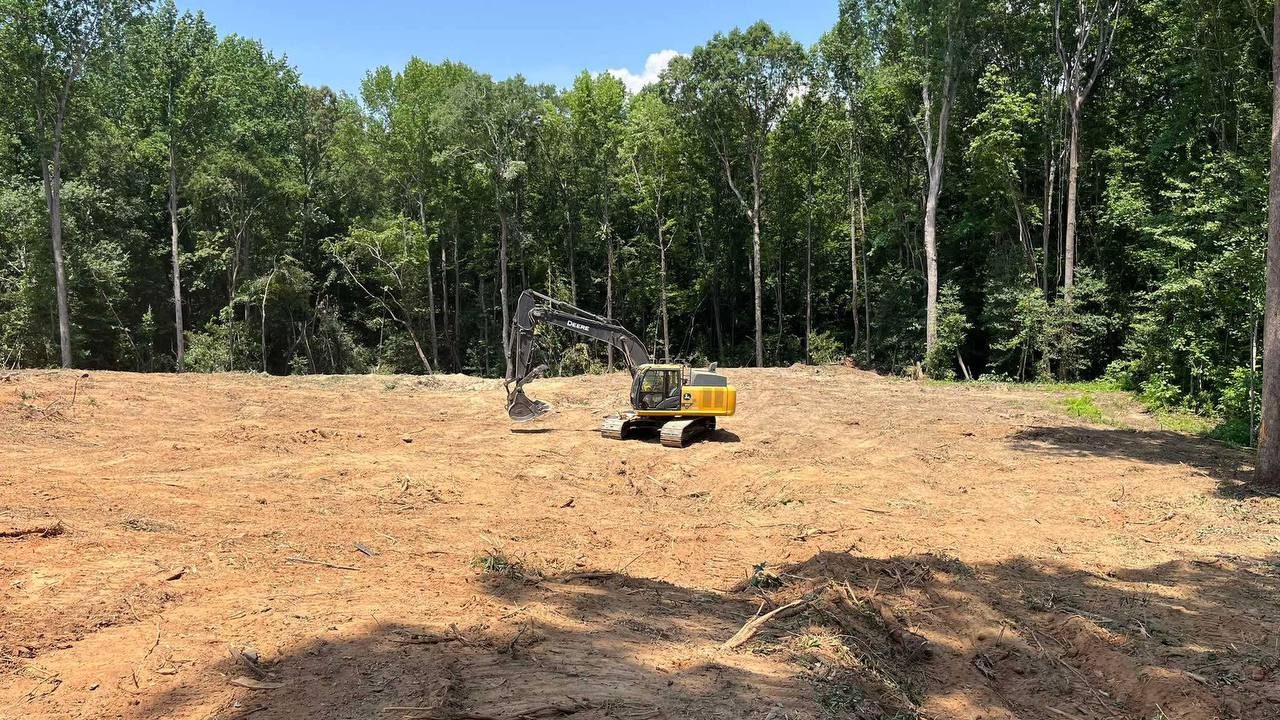
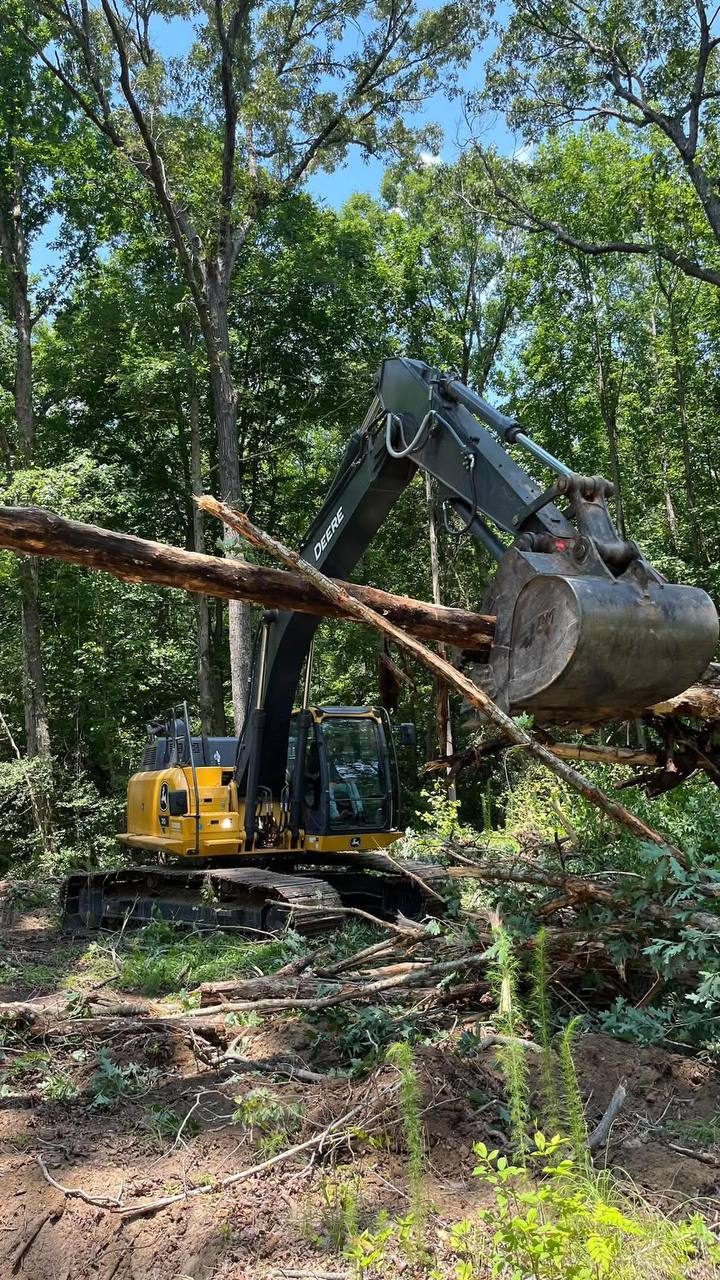
| Full lot clearing and rough grade | $2,500 – $5,500 | Tree cover, slope, haul distance |
| Heavy fill, large regrade, or pad build | $5,500 – $8,000+ | Fill volume, compaction testing required |
Slope above ten percent, rock in the cut zone, and required erosion-control installs add line items that quotes in flat-lot markets never show. Any bid that omits those items is either folding them into another line or excluding them from the job entirely. Ask to see a full scope sheet before agreeing to a number on any Piedmont clay parcel.
Stormwater permits and when the one-acre rule applies
South Carolina aligns its construction stormwater requirements with the federal EPA NPDES program for construction activities: any project disturbing one acre or more, or less than one acre if it is part of a larger common plan of development, needs a permit and a site-specific stormwater pollution prevention plan on file before ground breaks. That threshold arrives faster than most homeowners in Boiling Springs expect. A lot clearance plus a driveway cut, or a regrade connected to a new structure, can hit that acre line without looking like a large project. When adjacent lots in the same subdivision are being worked under a common developer plan, even a smaller individual parcel can be pulled into permit territory.
Spartanburg County has recorded 22 federal disaster declarations since records begin (1991-2026), the majority tied to storm and flooding events. Piedmont clay amplifies runoff on a freshly graded site: exposed clay with no vegetation or erosion cover moves quickly when a heavy storm hits. State rules require that protection for a reason. Good grading contractors build sediment control into the work sequence before the first cut, not as a step added when the inspector schedules a visit.
Hiring a grading contractor in Spartanburg County
Three checks worth running before you commit to a contractor in this market. First, confirm current state licensure through the SC LLR Contractor's Licensing Board: earthwork and grading above certain dollar thresholds requires a South Carolina license, and work done without one can create complications at permit close and at a future property closing. Second, ask specifically how the final drainage outlet gets handled, not just where the grade finishes. A regrade that terminates in a low point is a half-finished job, and the follow-up cost lands on the homeowner. Third, ask whether the scope of your project requires a stormwater permit or erosion-control documentation under state rules; a contractor who works Spartanburg County regularly will know the answer without having to look it up.
Price is worth comparing third, not first. A quote that omits silt fence, fill compaction testing, or final-inspection documentation looks better on paper and costs more when the clay moves or the inspector shows up. Start with a site visit that produces a written scope itemizing what moves, where it goes, and what happens at the outlet end.