Piedmont red clay changes the clearing equation
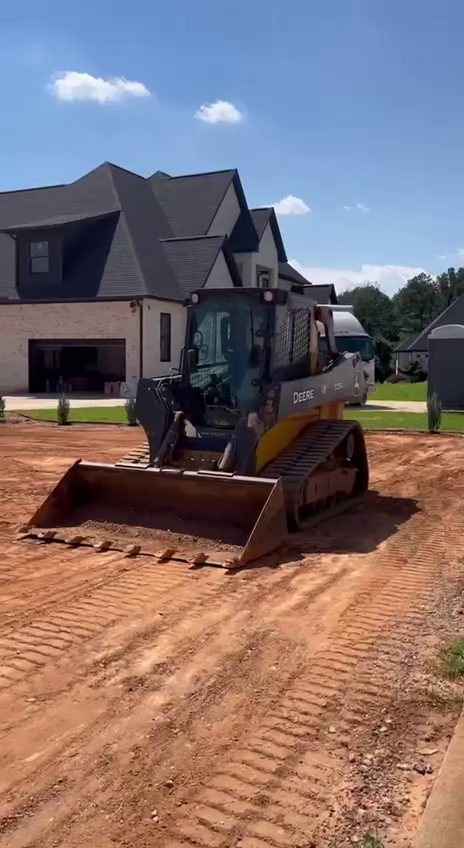
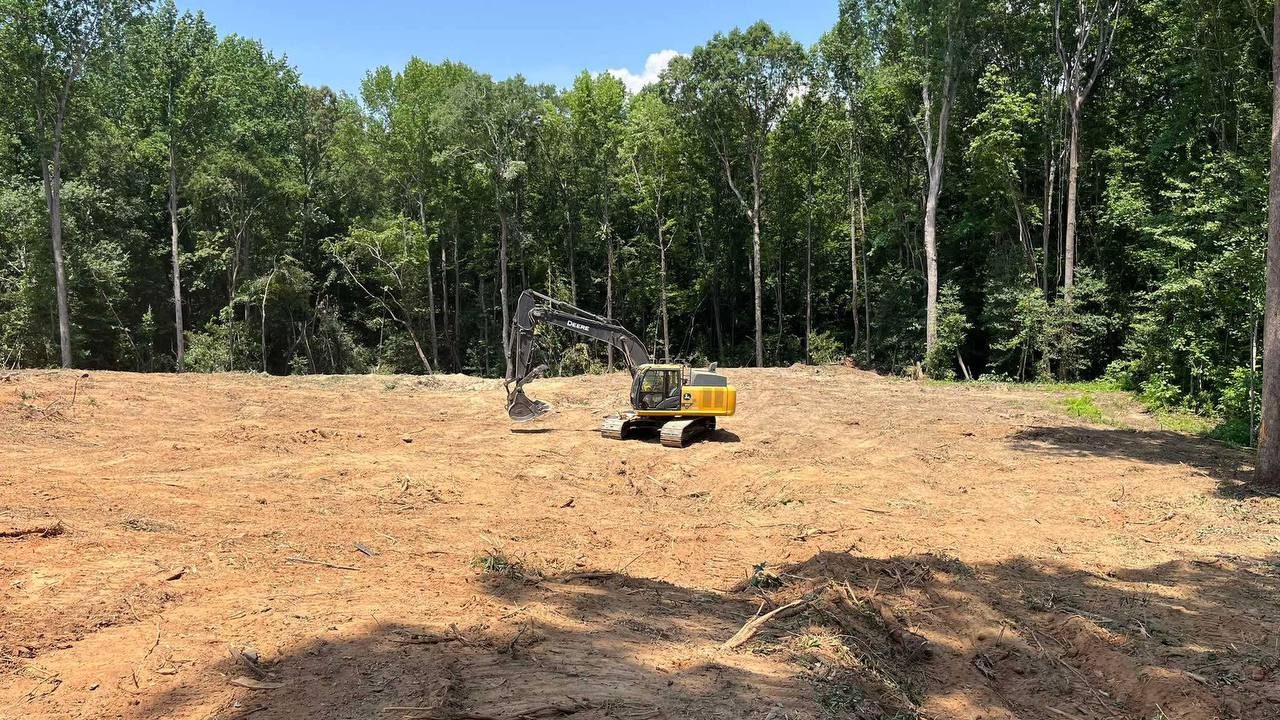
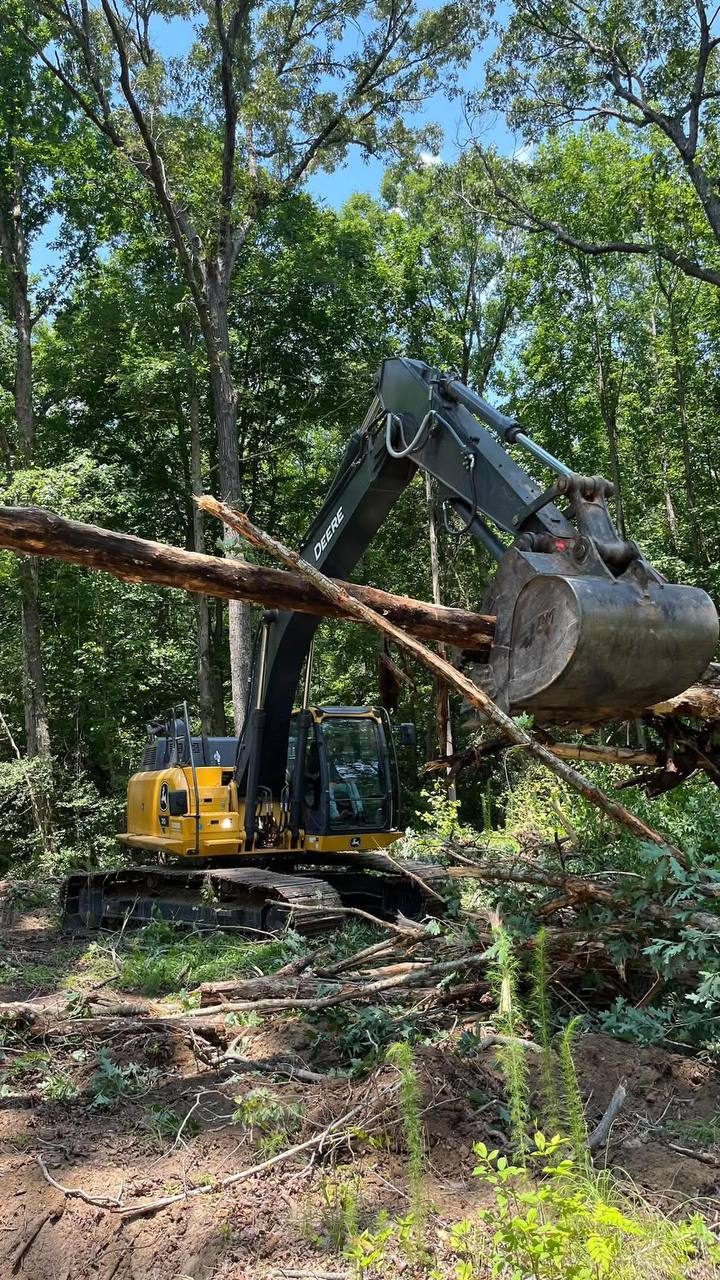
Easley is growing. Greenville County's suburban expansion has been pushing steadily east into Pickens County for years, and new residential lots here often start as wooded parcels on rolling red-clay ground. That terrain is what separates clearing work around Easley from jobs on the coastal plain. Piedmont clay sheds water fast once the tree cover comes off, and most lots carry meaningful slope — sometimes gentle, sometimes sharp — draining toward creek systems that eventually feed the Lake Hartwell basin. The canopy mix here (loblolly pine, sweetgum, red oak, tulip poplar, and scattered hickory) is dense and varied, and removing it without a plan for topsoil protection invites erosion problems that arrive before the foundation crew does.
A proper land clearing scope in Pickens County starts with slope direction and drainage, not just tree count. Where water goes after the canopy comes down shapes the work plan, the timeline, and in many cases the permit requirements. That question is worth raising at the first site visit — not after the dozer has already moved.
What clearing costs in Pickens County
Four factors move the number on any clearing job: lot size, density and species of tree cover, what you need done with stumps, and whether the site's slope requires erosion-control measures as part of the original scope. The table below covers the most common residential and small-acreage scenarios around Easley.
| Scope | Typical Range | Notes |
|---|---|---|
| Brush and undergrowth only, under ¼ acre | $750 – $1,500 | Saplings, briars, light cover; no machine work on large trees |
| Residential lot clearing, ¼ to ½ acre, moderate cover | $1,500 – $3,500 | Mixed pine and hardwood; stumps ground in place |
| Heavily wooded residential lot with stumps and rough grading | $3,500 – $8,000 | Mature hardwood, slope work, haul-away included |
| Acreage clearing, 1 acre or more | $5,000 – $10,000+ | Per-acre pricing typical; erosion controls often required |
Loblolly pine clears faster than mature oak or hickory — hardwood root systems can double machine time per tree. Stump grinding leaves mulch below grade; full stump removal costs more but matters if concrete or structural fill is going in afterward. For a full scope-by-scope breakdown, see the land clearing cost guide.
When stormwater rules enter the picture
Pickens County's federal disaster history — 23 declared events over 2005-2026 — is built heavily around storm and flooding events, which reflects exactly what cleared slopes do to downstream drainage when erosion controls are absent. Federal stormwater requirements address that directly: the EPA NPDES Construction General Permit requires a Stormwater Pollution Prevention Plan and permit coverage before work begins on any project that disturbs one acre or more. In the Lake Hartwell watershed, those rules carry real enforcement weight — the lake is a downstream public water supply, and regulators treat the connection seriously.
Jobs under one acre are not automatically exempt. South Carolina's construction standards may require local erosion and sediment controls regardless of acreage, particularly on sloped lots near drainage features. If a stream, pond edge, or mapped wetland runs near your property line, raise that in the first site visit. Clearing near those features without prior review carries remediation costs well above the price of clearing itself — and after the fact is always the expensive time to find out.
Clearing, brush work, and what the finished grade requires
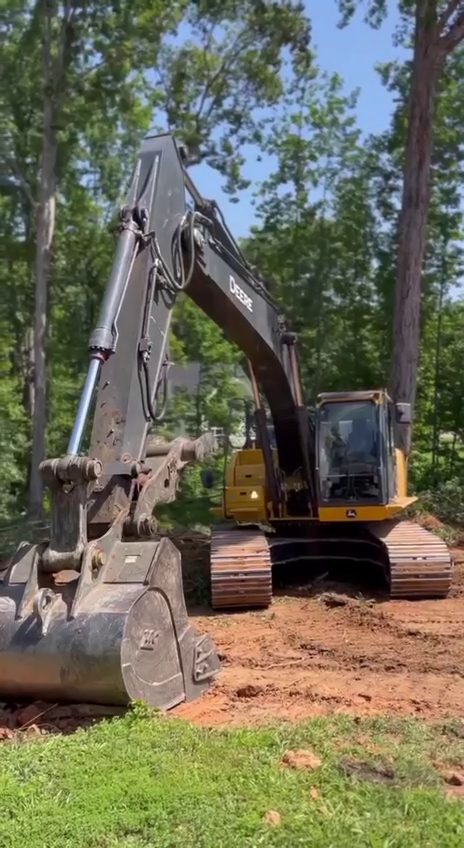
Full clearing and brush clearing are different operations, and confusing them in a quote can leave a job half-finished. Full land clearing removes trees, stumps, and understory to prepare a site for construction. Brush clearing handles undergrowth only — saplings, briar patches, overgrown hedgerows, accumulated deadfall — without machine work on established trees. If you are reclaiming a property line or opening access to a back corner, brush clearing is the right scope. If you are preparing a building pad or driveway approach, full clearing with stump work is what the job requires.
Rough grading after clearing establishes the drainage pitch that everything downstream depends on: foundation drainage, driveway runoff, finished yard drainage in its final form. Many Pickens County lots have natural drainage swales that clearing can inadvertently block or redirect. A scope that accounts for those in the original work plan is significantly cheaper than one that discovers the problem after the site is otherwise finished — rough-grade corrections are repetitive cost on a project that should have moved on.
Hiring a qualified crew in Pickens County
South Carolina licenses contractors at different thresholds depending on job scope and value. The SC Contractor's Licensing Board governs residential and commercial contractor licensing; for significant site-preparation work, whether a license is required for your job's scope and dollar value is a reasonable first question to ask any bidder. Established crews can answer it directly and without hesitation.
Three Pickens County-specific questions worth asking before signing anything: whether the crew has field experience on sloped red-clay lots specifically (flatland clearing technique does not transfer directly to foothills terrain), how they handle debris and stump disposal (burn permits, haul-away, and grinding carry different cost and logistics in this county), and what erosion control is included in the scope versus treated as an add-on. The answer to the third question distinguishes crews that think through the full job from those that scope to the minimum and leave the drainage problem for someone else to price later.
Ask for before-and-after references from jobs in Pickens County specifically. The rolling foothills terrain, dense mixed hardwood canopy, and variable lot slopes here are specific enough that local field experience matters in ways that general clearing experience does not fully substitute for.