Piedmont clay and the new-build drainage trap
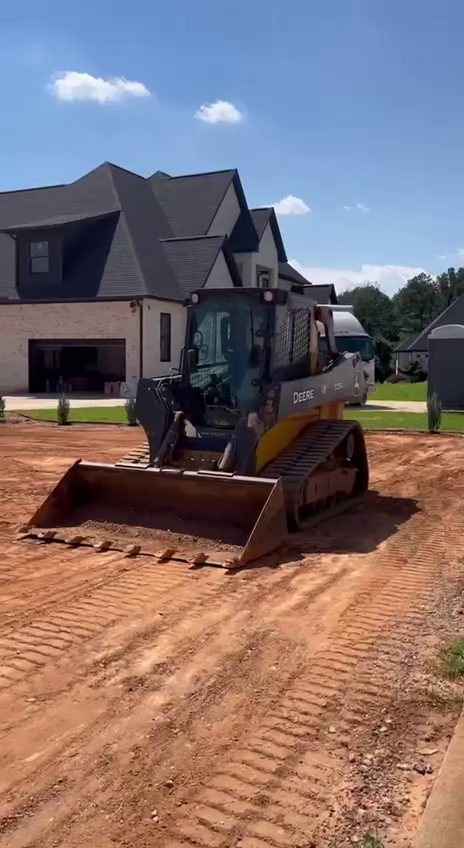
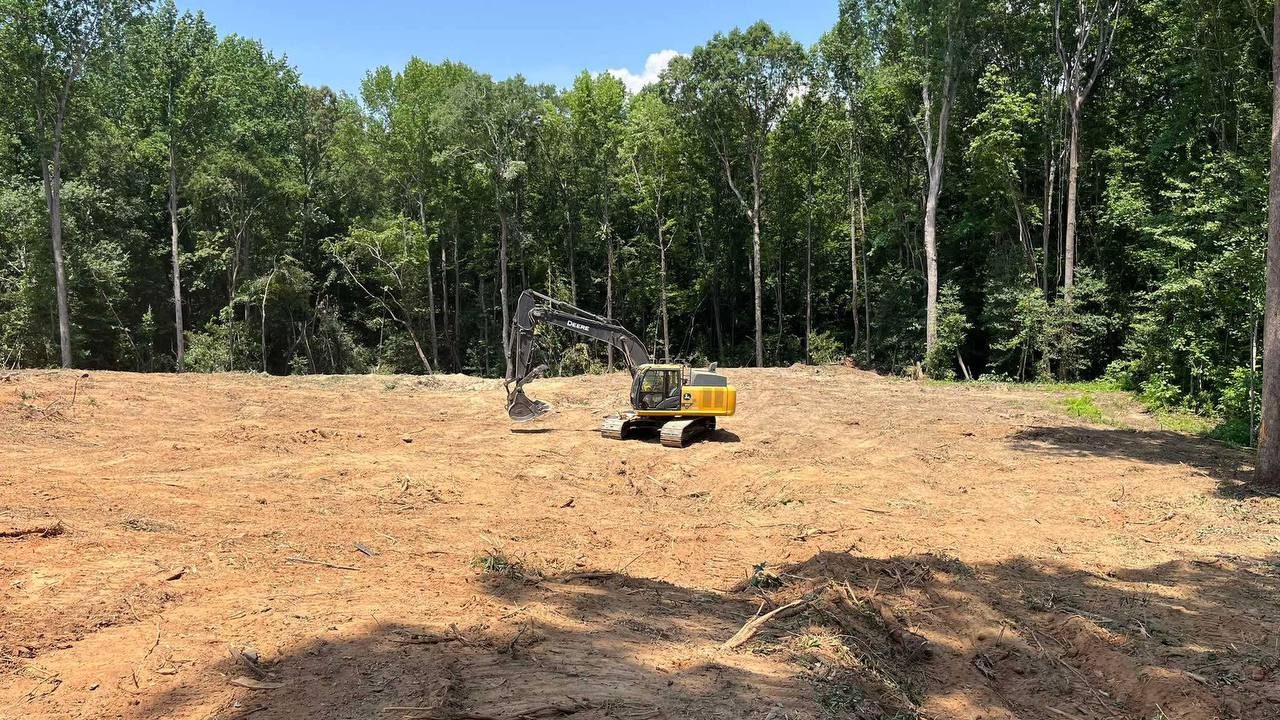
Powdersville has absorbed more residential growth than almost any unincorporated community in Upstate South Carolina. Subdivisions carved from former pasture and pine forest leave behind compacted subsoil where organic matter and root networks once absorbed rainfall. When that clay can't take water down, it moves sideways — across driveways, against slab edges, into garages, and along foundation footings that were never designed to stay wet.
The red Piedmont clay that defines most of Anderson County percolates slowly under the best conditions. After grading crews scrape topsoil for a subdivision pad, what remains underneath is nearly impermeable. A yard that handles a half-inch shower fine in October can hold standing water for a week in March when the soil is already at capacity from winter rain. If the same low spots fill and drain slowly after every rain, the clay has nowhere to send that load — a French drain gives it a path. The standing water guide breaks down what each pooling pattern signals and which fix matches it.
Powdersville's location straddling Anderson and Greenville counties also means your permit jurisdiction depends on which side of that county line your property sits. Sorting that out before the first contractor visit saves the rescheduling delays that push timelines back by weeks.
What the job actually costs in this market
Pricing follows scope, and clay lots consistently run toward the top of each range because hand work is slower and aggregate requirements go up when native backfill cannot be reused. See the full French drain cost breakdown for line-item detail. The table below reflects residential work in and around Powdersville at current labor and material rates in Anderson County.
| Scope | Typical Range |
|---|---|
| Single French drain run (50–100 ft) | $3,000–$5,500 |
| Downspout and foundation perimeter drain | $3,500–$6,500 |
| Multi-zone yard drainage system | $5,500–$9,000 |
| Full residential drainage with regrading | $8,500–$12,000 |
| Whole-yard regrading (drainage-only scope) | $15,000+ |
Any quote for clay-subsoil work that omits washed stone aggregate and filter fabric as line items is worth questioning before you sign. Those two materials are what separates a drain that performs in year five from one that silts up in year two.
The weather record behind the problem
Anderson County has accumulated 18 federal disaster declarations over 2005-2026, the majority tied to flooding and severe storm events. The Upstate South Carolina weather pattern delivers multi-day rainfall that fully saturates Piedmont clay before any sun returns — which is why the National Weather Service storm event record shows repeat flooding in this corridor. The pattern is not random bad luck; it is terrain meeting climate on a predictable schedule.
For Powdersville lots at the downhill end of a subdivision swale, or sitting below any slope that channels runoff from higher ground in Greenville County, that upstream load is the design problem a French drain has to solve — not just the rainfall that lands on your own yard. A system sized only for your lot's footprint will back up under the first sustained storm of the season. Getting inlet capacity and outlet sizing right requires understanding where the water comes from, not just where it sits.
Permits, licensing, and when the rules engage
Drainage and grading work in South Carolina crosses several regulatory lines depending on project scope. Contractors performing grading or excavation work above certain dollar thresholds must hold a valid license issued by the SC LLR Contractor's Licensing Board — ask for the license number and verify it before signing a contract. Projects that disturb more than one acre of soil also trigger EPA NPDES stormwater permit requirements for construction activities, which applies to larger regrading scopes and any drainage work that ties into subdivision infrastructure.
For Powdersville properties in Greenville County, the Greenville County Land Development Division handles stormwater and grading plan review. Anderson County properties follow Anderson County's development standards. The practical upshot: if your project involves significant earthwork or connects to a roadside ditch or county stormwater system, expect a permit review step before ground breaks. A contractor who treats that step as optional is worth declining early in the conversation.
The SC LLR Building Codes Council sets the residential building code standards that govern drainage design when a French drain wraps a foundation or ties into the building's drainage envelope — relevant on foundation perimeter drain jobs where the trench runs against the footing.
Getting the scope right before anyone picks up a shovel
The French drain installation process starts with a site read, not a trench. On a Powdersville clay lot, that read answers three questions: where is the water actually coming from, where does the outlet terminate, and does the pipe have positive grade the entire run from inlet to outlet. Without continuous downhill grade, a French drain becomes a French puddle — water finds the low point and stops moving.
Hiring checks specific to this market: ask whether the crew has worked Anderson County or Greenville County clay conditions specifically; ask how they handle aggregate depth and filter sock on saturated-subsoil jobs; and ask what the outlet plan is. A discharge that terminates at a property line, against a fence, or toward a neighbor's grade can relocate your problem rather than solve it, and in some cases it creates a liability. References on completed jobs in clay subsoil conditions are worth asking for before any deposit changes hands.