Red clay, rolling grade, and what that means for your lot
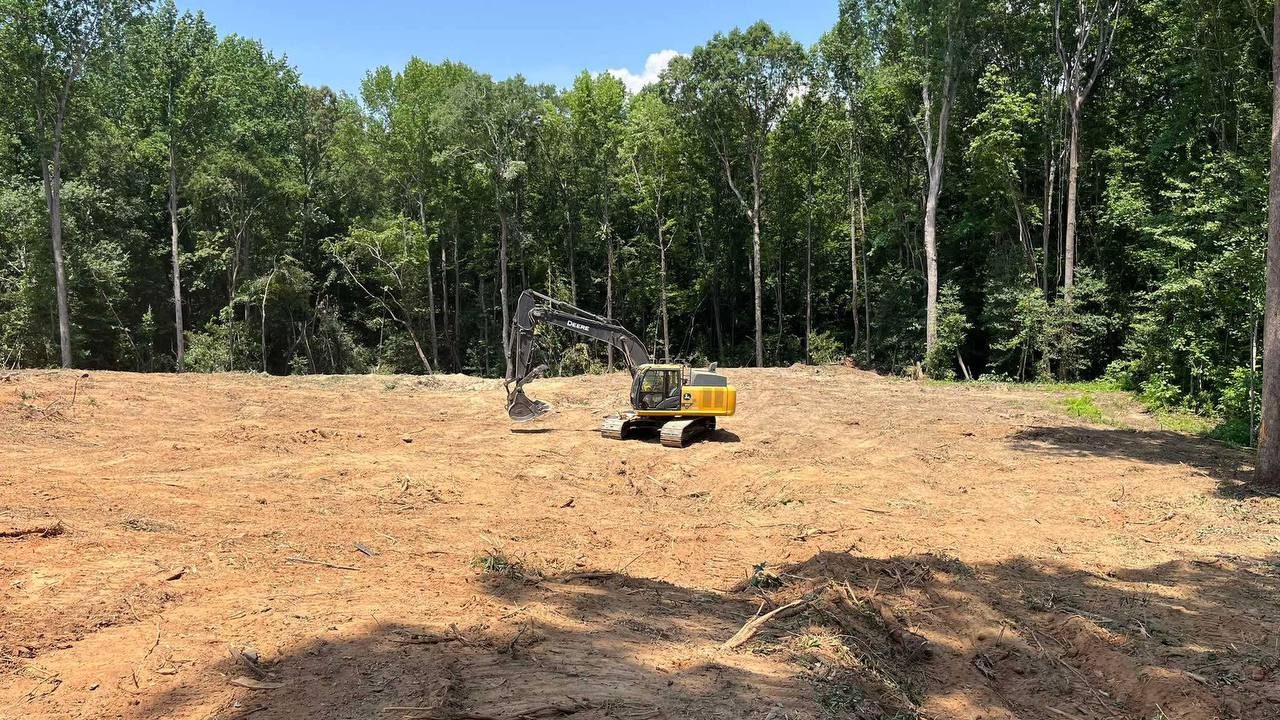
Duncan sits in the I-85 growth corridor between Spartanburg and Greenville, in a Piedmont landscape that has been building steadily since the upstate became one of the busiest manufacturing and distribution regions in the Southeast. The ground under those new subdivisions and cleared commercial pads is predominantly red Piedmont clay — the same Cecil soil series that runs through most of upstate South Carolina — and it behaves nothing like the sandy soils an hour south toward Columbia.
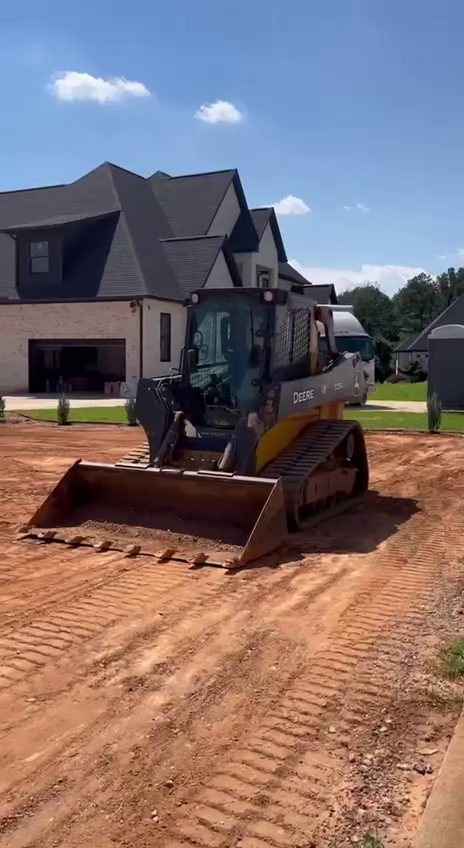
Red clay worked wet turns greasy. It resists compaction, holds equipment ruts, and can stay unstable for weeks after a rain event. Worked too dry in a Spartanburg County August, it fractures and fails to bond to fill placed on top of it. A grading contractor who does not schedule around soil moisture conditions is setting up a homeowner for settlement cracks, drainage failures, and redo work before the concrete is poured. The right question to ask any crew quoting your lot is not just what they will move — it is when they plan to move it.
The rolling character of Spartanburg County adds the second variable. Lots along Reidville Road, near the Bear Creek Farm corridor, and in the subdivisions growing off Highway 290 carry natural grade changes that flatland bids do not account for. Cut-and-fill math that looks straightforward on a plat survey gets expensive on a lot with ten feet of relief between the road and the back property line. That slope drives drainage planning as much as it drives earthwork volume. For a full picture of how grading connects to drainage and foundation prep, see the site preparation section.
What different grading scopes cost in this part of Spartanburg County
Pricing in the upstate reflects both the clay subgrade work and haul distances for fill material. A standard residential lawn regrade starts at the low end; a full cut-and-fill for a new construction pad on a sloped lot reaches toward the top. Quotes that land well below these ranges on a sloped Spartanburg County lot deserve scrutiny — the clay compaction work and the extra equipment time are real costs that cannot be absorbed without being cut from somewhere. The grading cost guide goes deeper on each scope type with line-item breakdowns.
| Scope | Typical Price Range | What Drives It |
|---|---|---|
| Lawn / yard regrade (drainage correction) | $1,200–$2,500 | Extent of low spots, fill haul distance |
| Residential lot rough grade (new pad) | $2,000–$4,500 | Lot size, slope, cut or fill volume |
| Driveway and parking area base prep | $1,500–$3,200 | Length, existing surface condition |
| Cut-and-fill on a sloped lot | $3,500–$5,500 | Relief elevation, compaction layers required |
| Large regrade or significant fill placement | $6,000–$8,000+ | Multi-lot scope or heavy earthwork volume |
Permits, runoff, and what state law requires before dirt moves
Spartanburg County falls entirely within South Carolina's regulatory framework for land disturbance. Under the EPA NPDES Construction General Permit, any project disturbing one acre or more requires a stormwater pollution prevention plan and an active permit before the first blade touches the ground. Most individual residential lot jobs fall below that threshold, but tract development, clearing for multiple adjacent lots, or commercial pad preparation routinely crosses it. Any contractor who cannot clearly answer the NPDES question on a job of that scale is a risk to the property owner.
22 federal disaster declarations cover Spartanburg County over the 1991-2026 record, most of them tied to storm and flood events. The upstate's pattern of intense convective storms — capable of dropping two inches in under an hour — hits graded slopes hard before turf or seed can establish. Proper erosion controls installed as part of the grading scope, not as an afterthought once topsoil has already washed to the neighbor's lot, are what separates a finished job from a corrective call.
For contractor credentials, the SC LLR Contractor's Licensing Board governs what licensed contractors must carry for land disturbance work in South Carolina. Verify before the contract is signed.
Rough grade and finish grade are not the same scope
A rough grade establishes the basic elevation of a lot, moves the bulk of the material, and shapes the major drainage swales. It is the work that happens before a foundation is poured or a slab is set. Finish grading comes later — after framing, after utilities are buried, often after the concrete work is done — and it sets the final slope away from the structure, fills voids left by utility trenches, and prepares the surface for sod or seed.
Both are grading jobs. Neither substitutes for the other. On a new construction site in Spartanburg County, rough grade sets the stage and finish grade makes the drainage plan work. A bid that bundles both into a single line item without distinguishing them is a contract worth reading carefully before signing. The site preparation page lays out how these phases sequence against each other and against the work that follows.
Hiring a grading crew in this corridor
Three questions separate the grading contractors who do this county well from the ones who do it cheap. Ask whether they have worked red clay sites specifically — experience moving sandy or loamy soils does not transfer cleanly to Piedmont conditions, where compaction timing and moisture management are the whole job. Ask how they handle erosion control on grade; on a lot with meaningful relief in a Spartanburg County subdivision, uncontrolled runoff to a neighbor's property or a road culvert generates liability fast. And ask what finished elevations they are targeting and how drainage flows away from the structure — a grade that looks flat to the eye can still direct water toward a foundation.
For any project involving significant earthwork, the grading and excavation overview covers what a full scope should include. A written contract that specifies the finished grade elevations and the drainage outcome — not just cubic yards moved — is the standard worth holding any crew to.