Mauldin's growth is running straight into Piedmont red clay
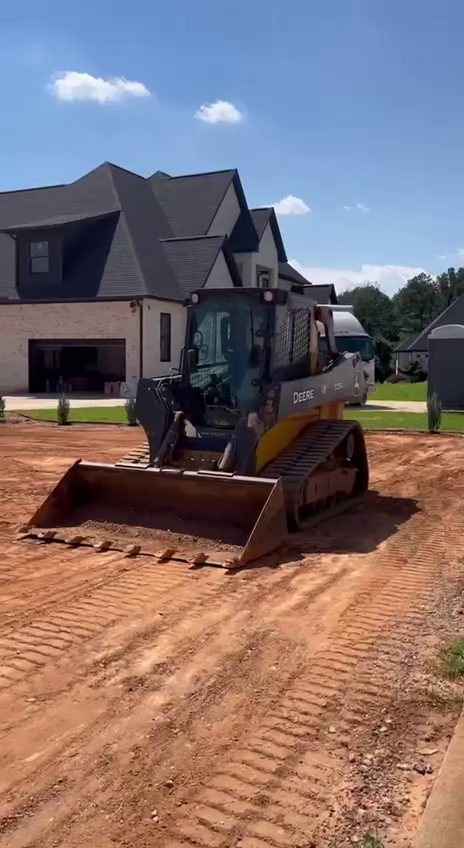
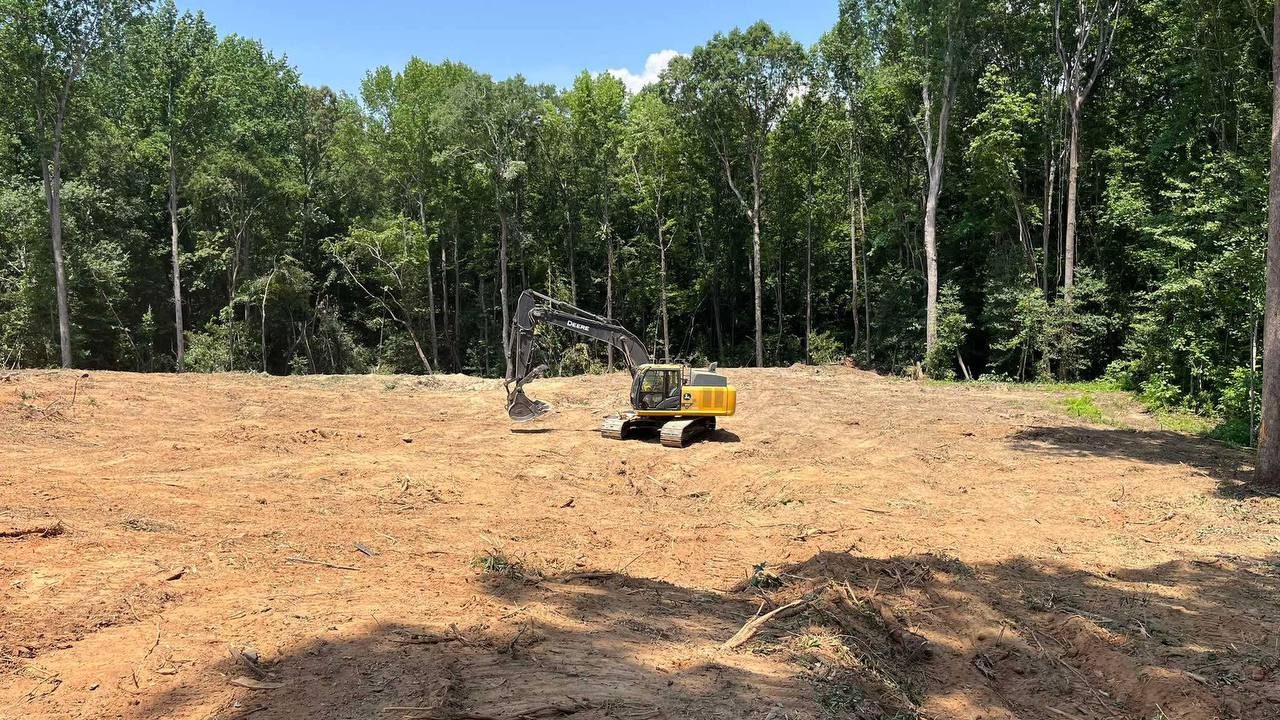
Mauldin has expanded faster than most Greenville County cities for years, and that expansion is being platted on rolling Piedmont terrain covered in the same red clay that defines Upstate South Carolina. The Cecil and Pacolet clay series common to this area swell noticeably when saturated — a lot that holds its grade through a dry fall can migrate toward the low point in a wet spring. That is not a quirk of one subdivision; it is a consistent feature of grading work throughout Mauldin's growth corridor, and it shows up on nearly every lot that gets carved out of former farmland or wooded slope.
What it means in practice: a scope that stops at rough grade is incomplete for most Mauldin lots. Clay does not behave like sandy soils closer to the coast, where water moves through quickly. Here, water moves across the surface or not at all, depending on where the contractor leaves the final elevation. A lot that looks correct on inspection day can drain toward a foundation or neighbor's yard within two wet seasons if the finish grade is off by a few tenths of a foot. That margin matters more in this soil type than it would in well-draining ground, and it separates contractors who have worked these lots from those who have not.
What Mauldin grading actually costs
The full line-item breakdown lives on the Greenville County grading cost page, but the table below covers what most residential work in Mauldin looks like before site-specific factors adjust it. Grade change, clay depth, and fill volume move every row in that table.
| Scope | Typical Range |
|---|---|
| Drainage correction or minor yard regrade | $1,200 – $2,200 |
| Driveway approach or parking pad | $1,500 – $2,800 |
| Residential lot prep for new construction | $2,500 – $5,500 |
| Detention swale or yard drainage system | $2,000 – $4,000 |
| Large lot regrade or heavy fill | $5,500 – $8,000+ |
A lot sitting at road elevation needs a fraction of the work of a lot with a ten-foot drop to the building pad. Any contractor who quotes a Mauldin job without walking the site is quoting a guess, not a scope. The site preparation guide details what a complete residential proposal should itemize before you sign anything — drainage plan, erosion control, final grade elevations, and permit responsibilities are all line items, not afterthoughts.
Storm history and what it demands from drainage work
Greenville County carries 23 federal disaster declarations spanning 2003-2026, the majority tied to severe storms and flooding events that concentrate runoff in the county's creek corridors. The Reedy River and Brushy Creek both run through or near Mauldin's footprint, and their watersheds collect water from a large area of developed Upstate terrain before it reaches any given lot. That history sets a baseline for what a drainage system in Mauldin has to handle — not just an afternoon thunderstorm but the kind of events that have triggered repeated federal responses in this county. A swale sized for typical conditions is not sized for Upstate conditions.
Federal rules add a compliance layer for larger projects: any grading operation that disturbs one acre or more falls under EPA NPDES construction stormwater requirements, which require an erosion and sediment control plan filed before work begins. That plan is inspected, and failure to have one creates liability for both the contractor and the property owner. Projects under an acre carry local obligations that vary by whether the work is inside Mauldin city limits or unincorporated county. Your contractor should identify which rules apply to your specific site before the first equipment arrives.
Permits and licensing: what Greenville County requires
Land disturbance and grading permits in Greenville County run through the Greenville County Land Development Division, which reviews site plans, drainage design, and erosion control measures before significant grading begins. For work inside Mauldin city limits, a city review step may run parallel to or in addition to the county process. Confirm whether one permit covers your site or two before you schedule a crew — a stop-work order on a half-graded lot costs more than the permit would have, and clay lots left open between cuts move in heavy rain.
South Carolina requires licensure for most construction-related work above the statutory thresholds set by the SC LLR Contractor's Licensing Board. A licensed grading contractor carries insurance, bonding, and accountability that unlicensed crews do not. For grading that connects to drainage systems, prepares a foundation pad, or touches public right-of-way, that licensing is your protection if the grade fails and water moves where it was not supposed to go. License status is public and searchable at the LLR site — verifying before you hire takes two minutes.
Picking the right contractor for Mauldin lots
Three questions worth asking before you sign: Does the crew have documented experience with Piedmont clay soils specifically? Can they provide a drainage plan showing where water exits the site before equipment is mobilized? And how do they handle erosion control between rough grade and final seed establishment? The third question is where Upstate experience shows most clearly — clay soils left exposed between cuts move quickly in heavy rain and create sediment problems that become the contractor's liability under county and federal rules.
Fast growth in Mauldin has created steady demand for grading contractors, which means crews from outside the region are quoting Upstate lots without Upstate clay experience. A well-priced bid that skips the drainage plan or hands erosion control back to the owner is not a bargain — it is a risk transfer. See the full grading and excavation overview for a checklist of what a complete contract should include and what to ask on the walkthrough before work starts. The difference between a grade that holds through two wet Piedmont winters and one that does not often comes down to that conversation before the first bucket drops.