Clay sub-base is the hidden variable on every Taylors job
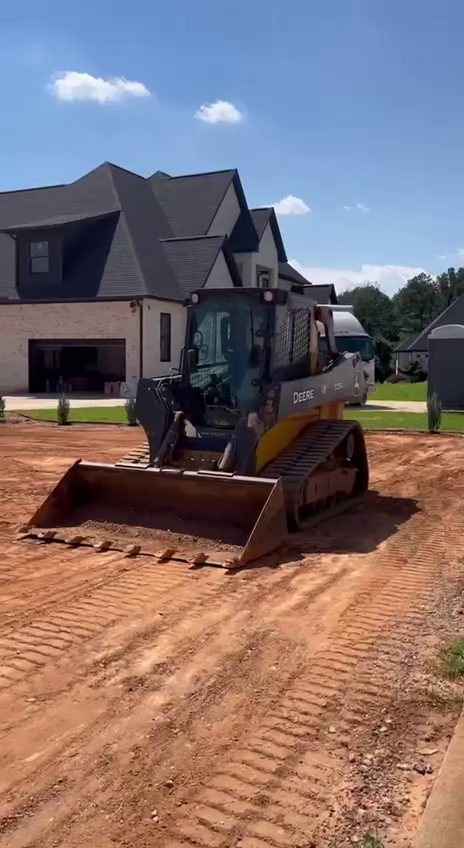
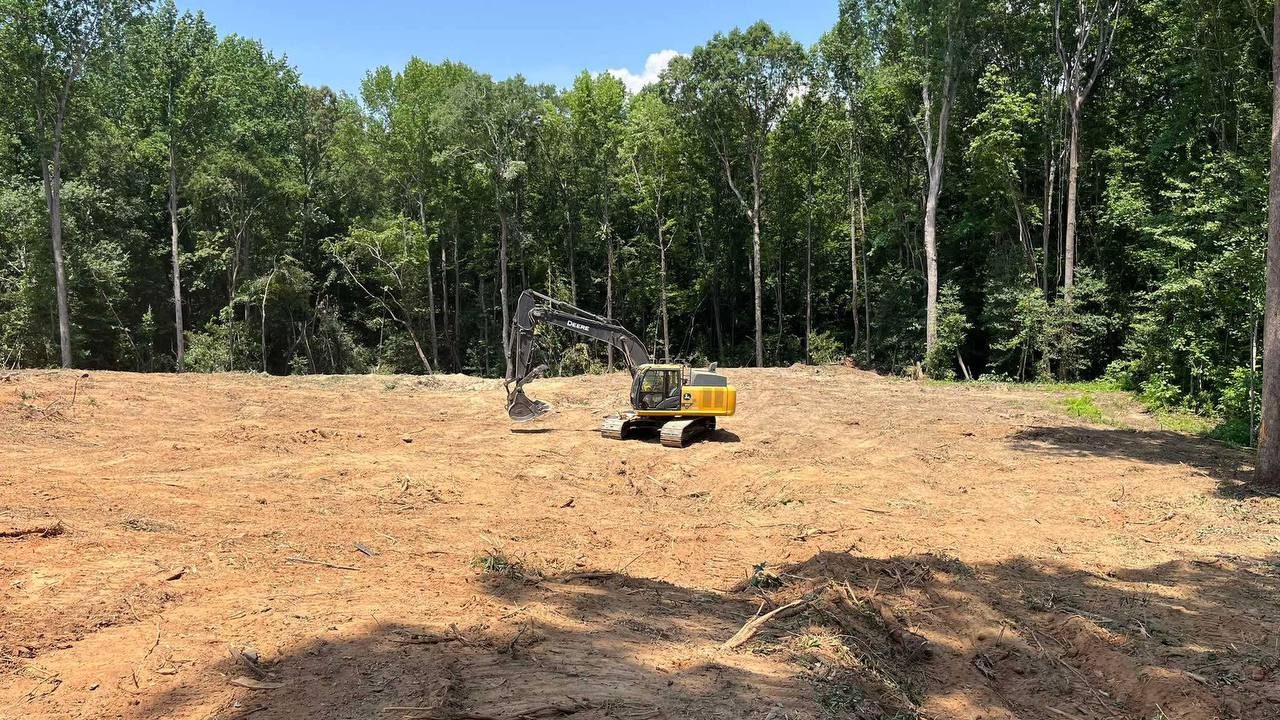
Taylors sits in the outer Piedmont of South Carolina, where red-orange clay lies just beneath whatever gravel or soil covers the road surface. That sub-base is what separates a job in this part of Greenville County from a simple gravel top-off: clay swells when wet, contracts when it dries, and a gravel surface resting on it tracks that movement until the crown fails, shoulders drop, and water pools in the wheel paths. By the time a road looks rough enough to call someone, the clay underneath has usually compacted into a rutted layer shedding water sideways instead of to the ditch.
Taylors is an unincorporated community in Greenville County, sitting northeast of the city of Greenville along the US-29 corridor. The housing mix runs from older rural properties on large wooded tracts to newer subdivisions where private road sections connect to county-maintained roads. What all of them share is that the roads serving them are outside any city's jurisdiction: they belong to the landowners, an HOA if one exists, or the group of neighbors sharing access. That ownership reality shapes every conversation about repair scope, cost share, and how far the job actually needs to go before it holds through the next heavy-rain season.
The signs worth acting on before calling anyone: standing water in wheel paths after rain, shoulders that have dropped below the road surface, and culverts that are buried or blocked. Each one points to a drainage problem that surface regrading alone will not solve.
Repair costs in and around Taylors
Scope and sub-base condition are the price movers. Regrading a road that still has sound base material is a one-pass operation; rebuilding a section that has lost its base to water infiltration is a different job at a different price. The full cost breakdown goes deeper on each line item. The table below reflects the most common calls in this area.
| Scope | Typical Range |
|---|---|
| Regrade and re-crown (per sq ft) | $1 – $3 |
| Pothole patching (per hole) | $75 – $300 |
| Culvert replacement (per culvert) | $800 – $2,500 |
| Washed-out section rebuild (per 100 ft) | $4,000 – $10,000 |
| Side ditch re-cut and outlet grading (per 100 ft) | $400 – $1,200 |
One factor that surprises property owners: Greenville County's clay-heavy soils hold moisture well below the surface even after several dry weeks. A crew that starts grading immediately without evaluating sub-base condition may be compacting material that will shift again on the next rain event. A road where years of traffic have pressed gravel down into the clay layer needs that contaminated material pulled and replaced before new aggregate holds — that step adds cost, but it separates a repair that lasts three seasons from one that needs to be redone the following spring. Jobs that look like pothole patching often reveal drainage problems once the first surface layer is removed. The washboard and pothole guide explains which failure mode actually requires base work and which one is a surface fix.
What storm runoff does to Upstate roads over time
Greenville County sits in a rainfall corridor with a real event record: 23 federal disaster declarations spanning 2003-2026. Upstate South Carolina receives significantly more annual rainfall than the coastal plain, with the Blue Ridge to the northwest intercepting moisture systems that deliver several inches in short windows during spring and early summer. A private road without maintained crown and clear outlet grading was not built for that loading — it was graded once for a drier assumption and never maintained to match the actual precipitation pattern of this part of the state.
When those events hit a road with flat crown and blocked culverts, runoff does not sheet off — it channels down the wheel paths and exits through the softest spot in the base. Larger reconstruction projects that disturb more than one acre of ground trigger EPA NPDES stormwater requirements, which include an erosion and sediment control plan filed before work begins. Even below that threshold, full-road rebuilds involving culvert installation or shoulder regrading should be confirmed with the Greenville County Land Development Division before equipment shows up. Finding out a permit was required after the job is complete costs more than a phone call first.
Contractor licensing and what it means for your project
South Carolina requires contractor licensing through the SC LLR Contractor's Licensing Board once a project crosses the state threshold for licensed earthwork. That threshold becomes relevant on full-rebuild jobs involving significant grading, culvert installation, and base reconstruction — not on routine regrading and gravel maintenance. Knowing where your project lands determines whether you need a licensed earthwork contractor or whether a qualified grading operator with the right equipment and genuine clay-soil experience covers it. Licensing tiers in South Carolina also affect who can pull a permit if one is required — worth confirming before the project starts rather than discovering mid-job.
The useful screening questions when hiring: ask whether the crew has worked specifically on roads with clay sub-base, not just compacted gravel in drier soils; ask how they handle base material that has failed versus surface material that simply needs redistribution; and ask what they do with the drainage outlet before any gravel is placed. A contractor that skips the drainage question is selling gravel, not road repair. The full scope of what a qualified proposal should include is covered at private road repair.
Shared roads and the cost-share reality
Many private roads in and around Taylors serve two or more properties. Greenville County does not intervene in cost-share disputes between private landowners, and there is no county mechanism to compel a neighbor to contribute to a shared lane repair. If you are the heaviest user and the road is titled in your name, the practical outcome is often to handle the repair and address the cost-share conversation separately — in writing, before the road washes out again.
For subdivisions with an active HOA, review the declaration documents before scheduling work. Some CC&Rs require board approval for road expenditures above a set dollar amount, and others specify minimum surface standards that determine what materials qualify. For informal shared roads with no recorded agreement, any cost-share understanding should be documented before the first piece of equipment arrives. That step takes an hour and prevents the kind of dispute that follows a mid-four-figure invoice being split in an unexpected way.