Red clay under every Pickens County driveway
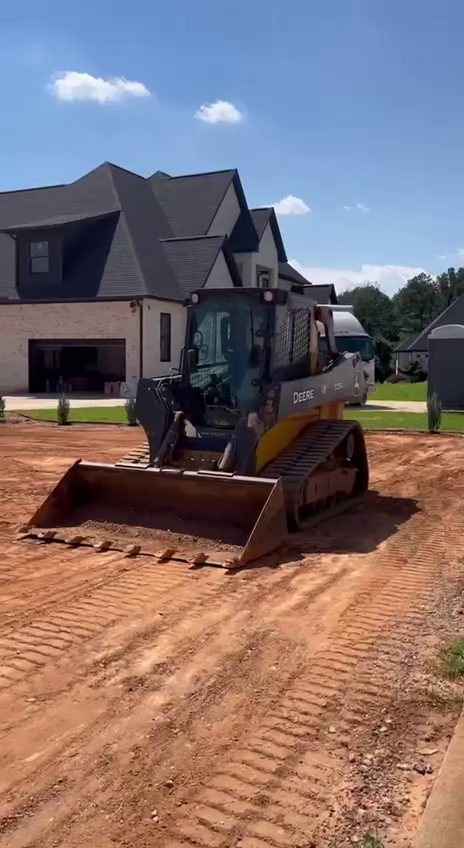
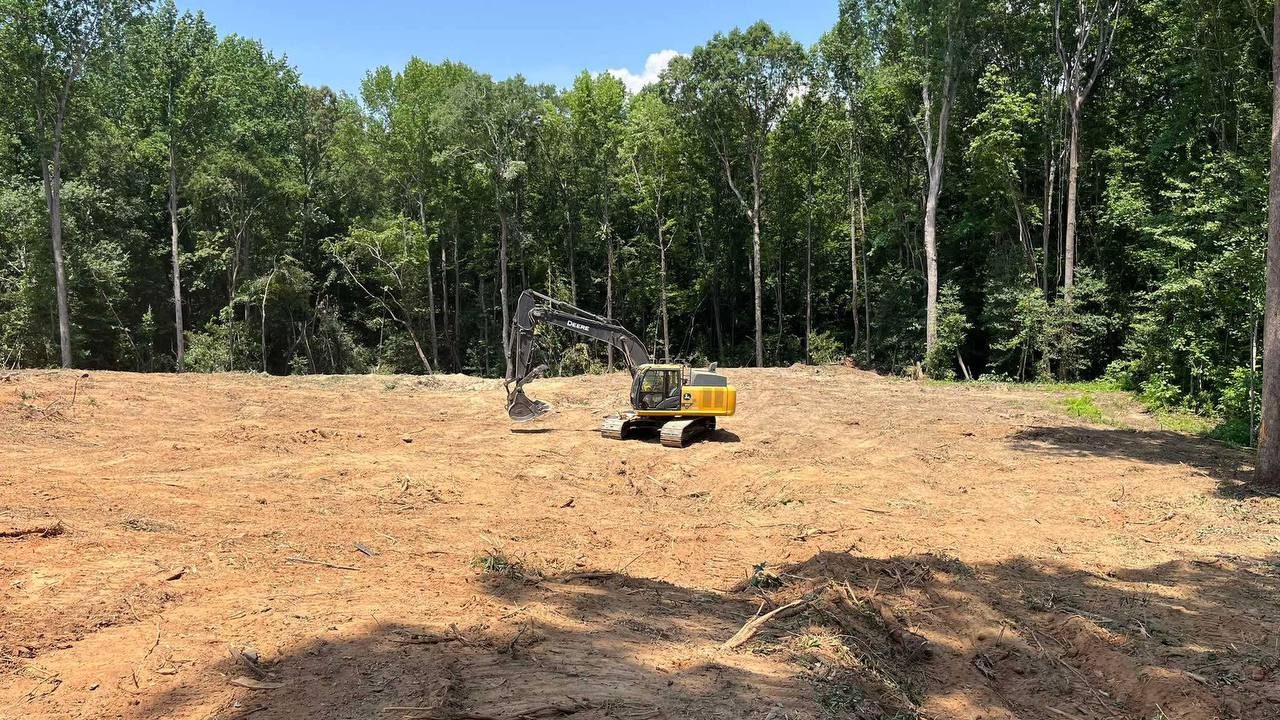
Pickens County sits over dense red clay subsoil — the same formation that runs through Upstate South Carolina and into the foothills — and that single fact reshapes what a gravel driveway installation needs here compared to sandier or rockier ground elsewhere in the state. Clay holds moisture rather than passing it. When it gets wet it swells; when it dries it contracts. Both forces work against the stone aggregate above, gradually pushing gravel sideways and creating the soft ruts that look like normal wear but are really clay moving the way clay moves on a trafficked, wet surface. The practical result is that a Pickens County gravel driveway needs a thicker, better-prepared base layer than a comparable job on well-draining soil — and that base cost is what most quotes here should be competing on, not the gravel tonnage.
Easley's location in the foothills transition zone, just west of Greenville and against the lower Blue Ridge shelf, adds a slope dimension that flatland installs never encounter. Even modest grades concentrate runoff across a driveway surface during the sustained rain events this area receives. The result — gravel migrating toward yard edges and bare base exposed in the crown — is the pattern behind most calls here. The companion page on why gravel driveways wash out covers what each failure type means and what level of intervention it requires.
Cost of a gravel driveway in and around Easley
Installs in this area typically run $1,800 to $5,500 for most residential driveways — a range driven more by base depth and drainage preparation than by gravel type. Long driveways on sloped or heavily clay-bearing lots push to $8,000 to $12,000 once fabric, sub-base, and grading work are properly accounted for. The full cost breakdown shows each line item; the table below maps scope to typical installed range.
| Scope | Typical Installed Range |
|---|---|
| Short driveway (50–80 ft), gravel over prepared sub-grade | $1,800–$2,800 |
| Mid-length driveway (100–150 ft), graded base and crowned surface | $2,800–$5,500 |
| Long driveway (200 ft+) or significant clay base work with drainage prep | $5,500–$12,000 |
These ranges hold for standard crush-and-run or #57 stone installs, which are the common choices in Upstate SC. Any quote that arrives without a line item for base material, geotextile fabric, or drainage slope should be read as an incomplete scope rather than a competitive price — the missing work doesn't go away, it shows up in the following season's repair call.
Rainfall, stormwater, and what the FEMA record says
Pickens County has accumulated 23 federal disaster declarations over 2005-2026 of record, with storm and flooding events making up the core of that total. That history matters for a gravel driveway because it describes the actual drainage load the installation needs to handle — not a hypothetical worst case but a recurring one. A driveway that hasn't been graded and pitched correctly becomes part of the runoff problem during a multi-day rain event, channeling water across neighboring lots and undercutting the base from below.
Projects disturbing more than one acre of land fall under federal stormwater permitting requirements tracked through the EPA NPDES Construction Stormwater program. Most residential driveway jobs in Easley sit below that threshold, but a combined driveway and lot re-grading project on a larger parcel is worth checking before work starts. Getting the stormwater piece right at installation — crown pitch, side ditches, and outlet points set correctly from the first day — is what determines whether a driveway stays put through Pickens County's wet seasons or becomes an annual maintenance item.
What to look for when hiring a contractor here
South Carolina requires grading and base work above certain project thresholds to be performed by a licensed contractor. License status can be verified through the SC LLR Contractor's Licensing Board — a check worth making before signing a contract on a full base-and-gravel install. License type matters: an excavation or site-preparation license is the relevant credential for most gravel driveway work, and not every general contractor holds one.
Three questions worth asking any crew working in this area: whether they have worked on red clay subsoil before (base spec and compaction technique differ meaningfully from sandy or rocky conditions), how they establish crown pitch and drainage grade (a flat driveway on Pickens County clay is a maintenance problem scheduled for next wet season), and what base spec they are recommending and why. A prepared bid specifies fabric type, base depth, crown pitch, and drainage outlet. A quote that lists gravel tonnage without those items is a partial scope. The gravel driveways overview covers what a thorough first quote should include and what to push back on if it doesn't.
What actually keeps a gravel driveway in place over time
Three practices separate gravel driveways that look sound at five years from the ones that need re-topping every other season: proper sub-base compaction, geotextile fabric between the sub-grade and aggregate, and consistent crown pitch. On Pickens County clay, skipping the fabric layer is the single most common shortcut — and the most common reason a driveway requires significant work inside three years. Without it, aggregate gradually mixes down into the clay layer under traffic and moisture, and the driveway slowly sinks to grade rather than sitting above it.
Once installed, the annual check is straightforward: look for edge migration where gravel collects along the lawn, crown flatness where water pools at center, and low spots where runoff channels form across the surface. Catching those early means a re-top rather than a rebuild. Full failure patterns, what they signal structurally, and repair decision points are covered on the gravel driveway washing out page — worth reviewing before getting quotes on a repair to understand whether maintenance or a scope correction is what the job actually requires.