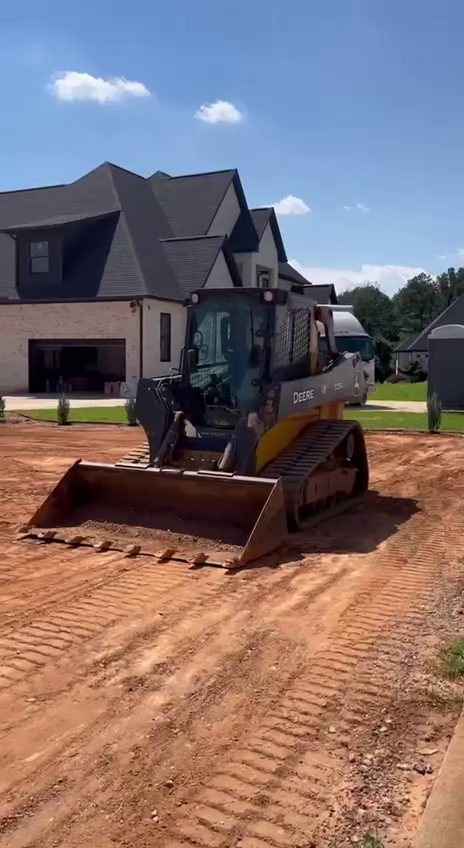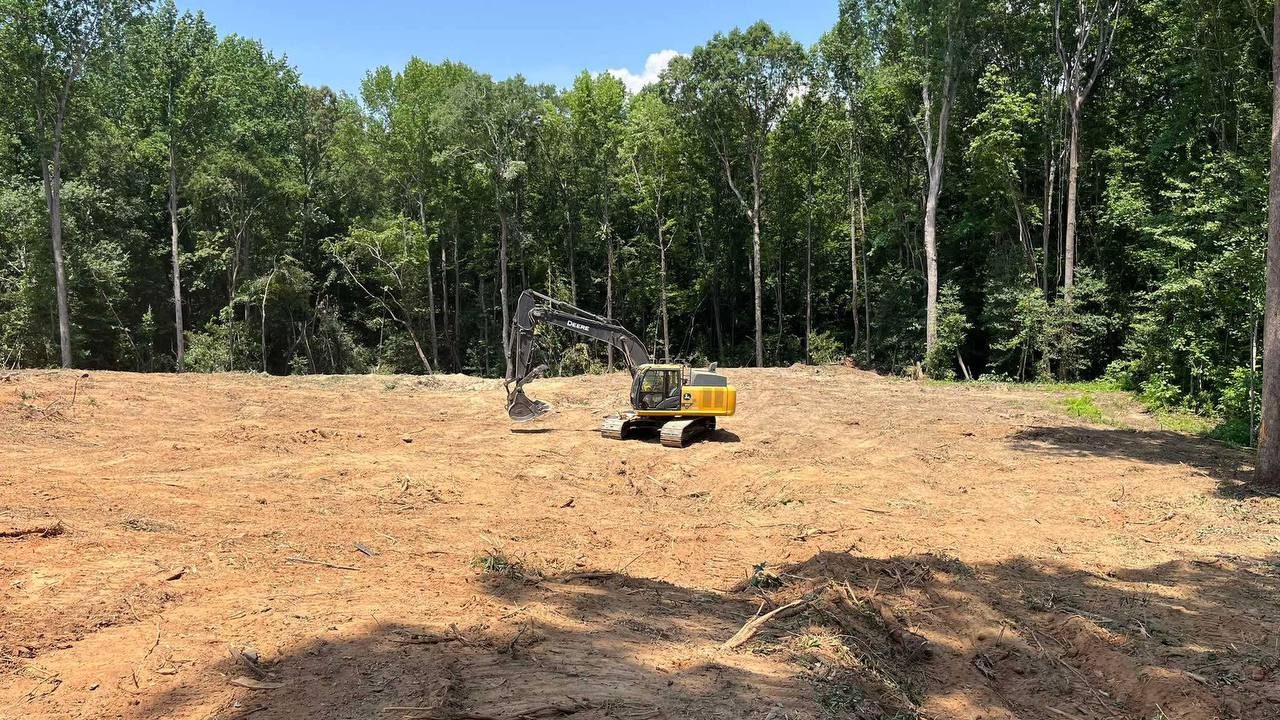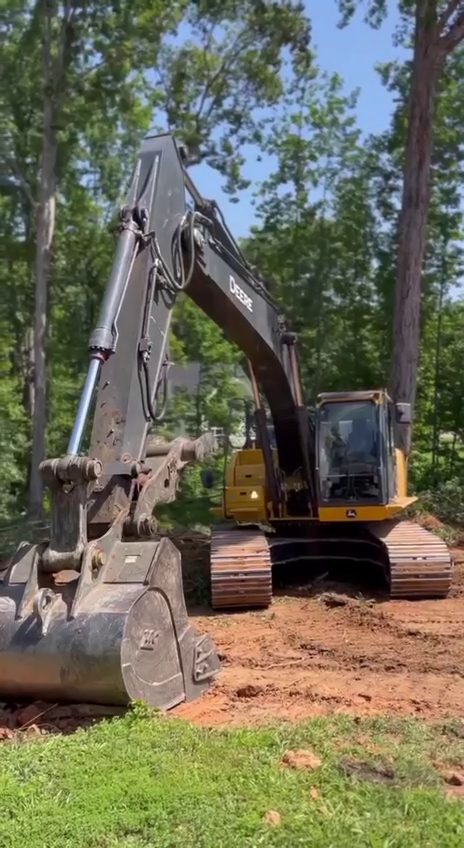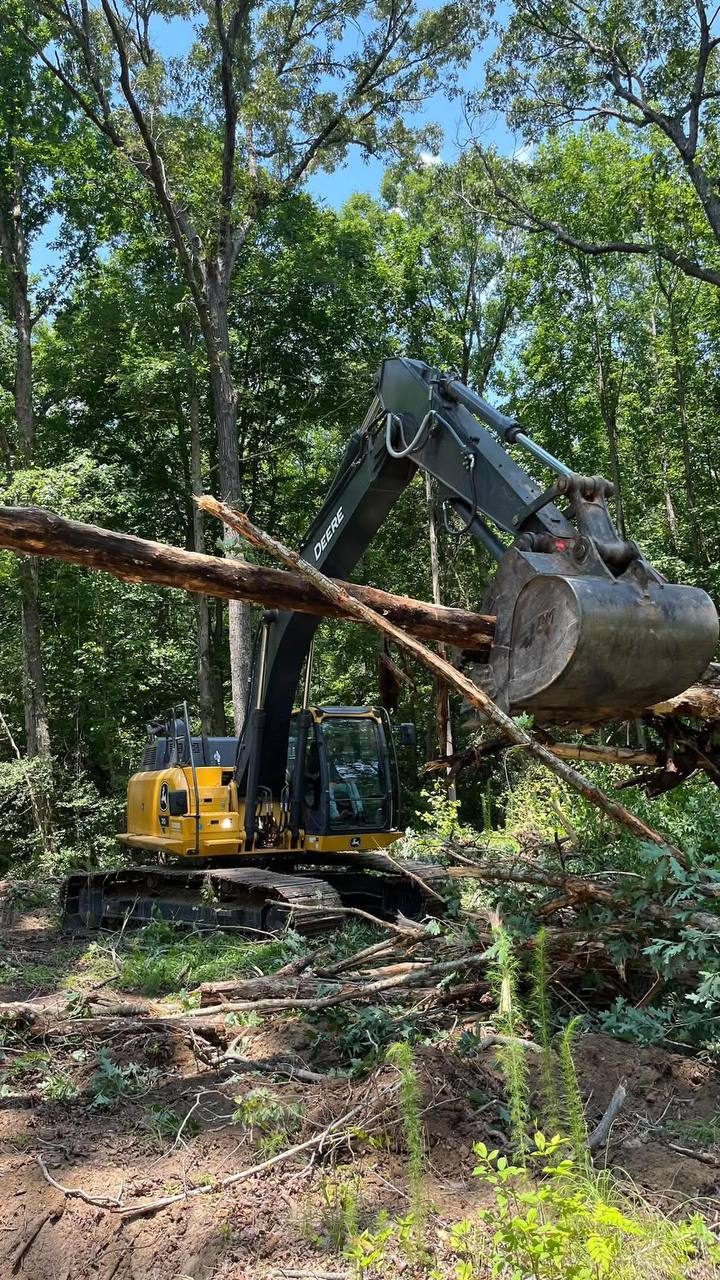
Clay under the canopy changes the job
Powdersville has absorbed more residential growth than nearly any unincorporated community in upstate South Carolina, and most of that growth is landing on lots that were pine plantation, old pasture, or second-growth hardwood a decade ago. What those sites share is Piedmont red clay, a soil type that holds moisture, resists uniform compaction, and turns exposed bare ground into an erosion problem after the first significant rain.
That dynamic is what separates a thorough Powdersville clearing job from a rushed one. A crew that clears and leaves without addressing grade and drainage hands a problem to the builder, the concrete crew, or the neighbor downhill. The land clearing discipline that works in sandy coastal soils does not translate here without adjustment; clay-heavy ground needs a drainage plan built into the scope from the start, not added after the fact.
One more Powdersville detail that shapes the work: some lots in this community sit close to the Anderson–Greenville county line. Where your parcel actually falls determines which jurisdiction handles the land disturbance permit and which land development office reviews the work. That question is worth answering before anything else; the two counties have different review timelines and requirements, and discovering the jurisdiction question mid-project creates costly delays.
What goes into a clearing quote here
Land clearing is a menu of tasks that stack on each other. Brush work, tree felling, stump grinding, stump extraction, and rough grading are each separate line items that can be quoted together or phased across a project. The table below reflects realistic ranges for the Powdersville market; steep terrain, old-growth hardwood, and high stump density push jobs toward the top of each band.
| Scope | Typical Range |
|---|---|
| Brush and undergrowth clearing only | $750 – $1,500 |
| Residential lot: trees felled and chipped, stumps left | $1,200 – $3,500 |
| Residential lot with stump grinding and rough grading | $1,500 – $5,000 |
| Residential lot with full stump extraction and grading | $2,500 – $8,000 |
| Heavily wooded acreage (1 acre or more, mixed timber) | $5,000 – $10,000+ |
On clay-heavy sites, the stump decision matters more than on most ground. Grinding and leaving the grindings in place creates a soft organic pocket that settles over time and causes problems for whatever gets built above it. Full extraction costs more up front and delivers a stable substrate for the foundation crew. It is not always necessary, but on a primary build lot it is worth discussing before the quote is signed.
The detailed land clearing cost breakdown covers what moves a job through each range: timber density, access, haul distance, and equipment size. For sites that are brush and light scrub only, brush clearing uses lighter equipment and prices accordingly.
Stormwater rules that enter at the clearing stage
Clearing disturbs soil, and disturbed Piedmont clay in a rain event moves fast. Any project that disturbs one acre or more triggers the EPA NPDES stormwater permit program for construction activities, which requires a permit and an erosion and sediment control plan before equipment arrives on site. Below that threshold, local land disturbance ordinance still applies, and uncontrolled sediment runoff onto neighboring properties or into drainage channels creates enforcement exposure that is expensive to resolve after the fact.
Anderson County and the Greenville County Land Development Division each maintain land disturbance review processes; which one governs your lot depends on where the parcel actually sits. Getting that answer before clearing starts is worth the time. A stop-work order issued after clearing is underway is a more disruptive outcome than the permit process would have been.
The regional storm record adds context. Anderson County has seen 18 federal disaster declarations across 2005-2026, most of them tied to storm and flooding events. Sites with exposed clay and inadequate sediment controls are the first to show problems when that history repeats.
Sequencing clearing with the build that follows
Clearing is the first job on a site, not the last, and how it is done shapes every trade that follows. A lot cleared with no attention to grade direction leaves the excavator, the foundation crew, and the utility contractor each solving drainage problems the clearing crew created. Getting the sequence right means knowing where the building footprint sits, where the driveway connects, and where stormwater is expected to exit the property before the first tree comes down.
For residential lots inside active development areas (which describes most of Powdersville right now), that coordination is usually straightforward because a site plan already exists. For raw lots being cleared ahead of a future build or sale, identifying the low point of the lot and the natural runoff path before work starts costs nothing and prevents the kind of re-grading that eats budget later. Uphill water that has no clear exit does not stay on-site quietly, and Piedmont clay amplifies the effect; drainage issues that would stay manageable on sandy ground become significant here. If grading is part of the scope, early communication between the clearing crew and whoever handles final grade is what separates a clean handoff from a remedial one.
Choosing a crew in Anderson County
South Carolina requires appropriate licensing for clearing and grading work. The SC LLR Contractor's Licensing Board lets you verify any contractor's license status before signing anything. For jobs that include meaningful earthwork such as rough grading, cut-and-fill work for a driveway, or reshaping drainage swales, the licensed grading classification becomes relevant. Ask the crew directly whether the scope they are quoting triggers that classification, what license they are working under, and whether they carry general liability for the full scope of the job. Getting those answers up front protects you if a question arises during permit inspection.
Three questions worth asking any Powdersville crew before they start: How do they handle clay spoil and stump material disposal? What is their plan for drainage grade when there are existing structures or neighbors nearby? And have they worked jobs near the Anderson–Greenville county line, where permit jurisdiction is not always obvious at first glance? The answers tell you more than credentials do. They show whether the crew has worked this soil and this market, or whether they are applying a template from somewhere else.