Piedmont clay sets every job apart
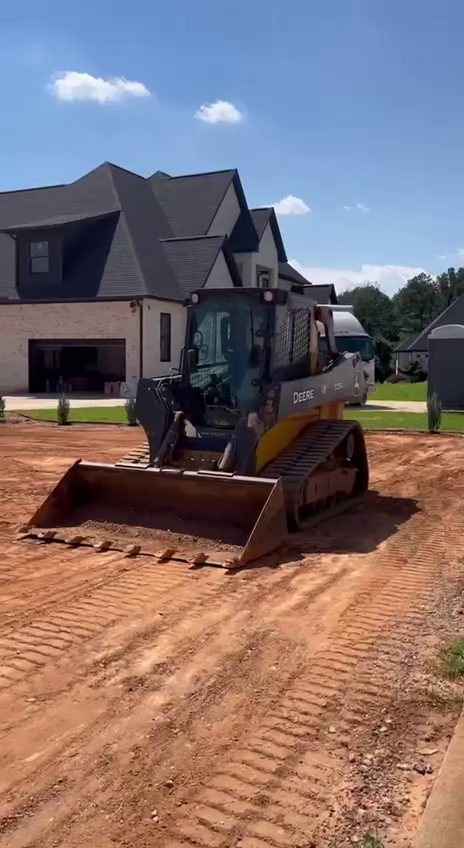
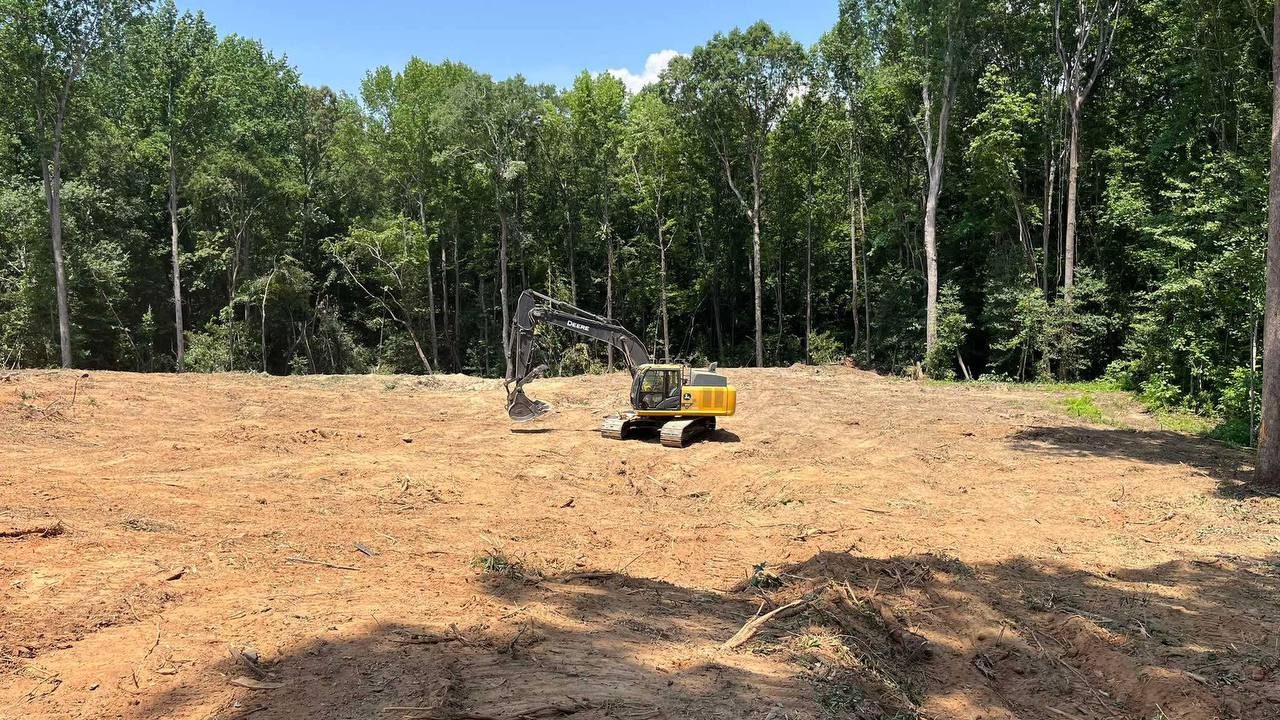
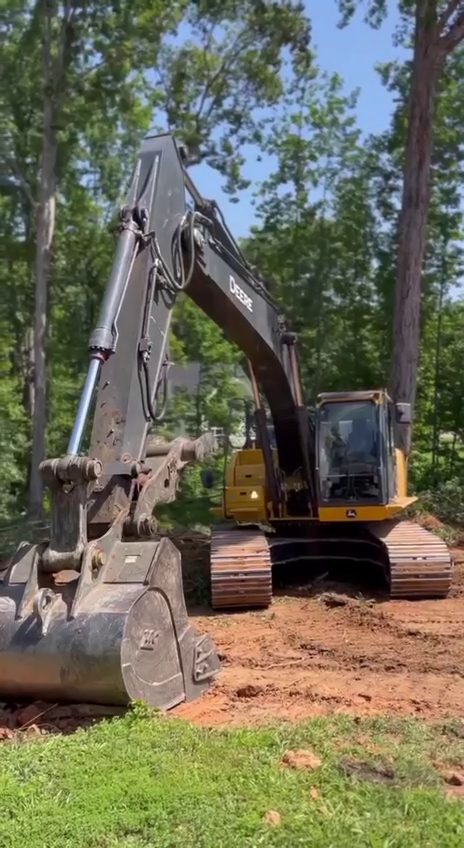
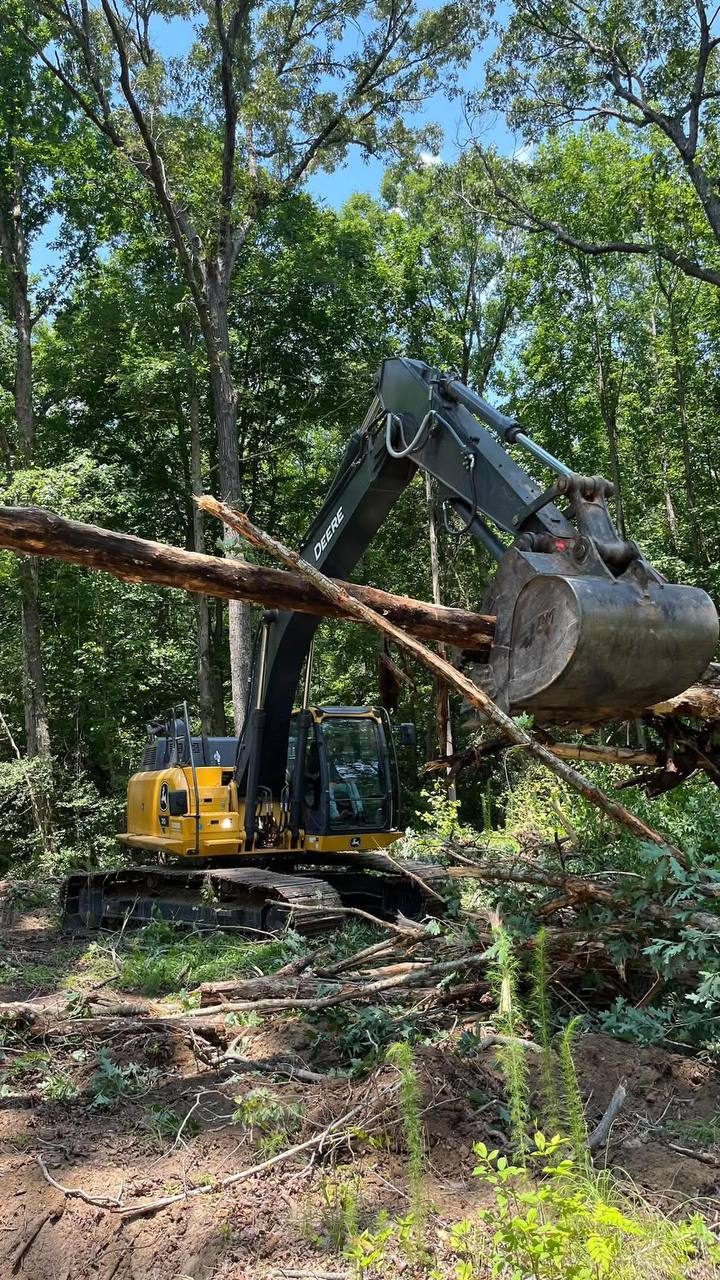
Greenville County sits in South Carolina's Piedmont, where topsoil gives way quickly to heavy red clay — and that single fact changes every gravel driveway estimate written here. Clay doesn't compact cleanly, sheds water sideways rather than draining it downward, and turns a surface-only installation into a rutted failure within two wet seasons. The first question a good crew asks on any Greenville property isn't which stone to order; it's how deep the clay runs and what it takes to build a base over it that actually holds.
The challenge varies across the county. Low-lying lots near the Reedy River corridor and the South Tyger River watershed tend toward saturated clay bottoms that need excavation before any gravel can stabilize. Properties in the foothills toward Travelers Rest and northern Greenville County sit on steeper grades where runoff channeling matters as much as base depth. Older mill village neighborhoods inside the city proper — neighborhoods built around the textile industry that shaped Greenville for a century — often have compromised base layers under whatever surface exists today. Newer large-lot subdivisions in Simpsonville and Greer arrived with builder-grade gravel over minimal base; those drives are showing their age.
A quote that skips subgrade assessment was written for a different county. The gravel driveways overview covers stone types that perform on Upstate Piedmont clay, and the gravel driveway cost guide breaks down each line item so any bid reads clearly.
What a Greenville gravel driveway costs
Most installed gravel driveways in Greenville County land between $1,800 and $5,500. That spread is wide because the clay variable is wide: a drive on reasonably drained ground with a stable existing base sits toward the low end; one that requires deep excavation, geotextile fabric, and significant regrading before the first stone goes down sits toward the top. Long access drives and commercial-grade work run $8,000 to $12,000. The ranges below are a working frame — the firm number comes from someone who has walked the site and specified the base, not from a per-ton stone price alone.
| Job Scope | Typical Installed Range |
|---|---|
| Short residential drive (under 100 ft, stable base condition) | $1,800 – $2,800 |
| Standard residential drive (100–200 ft, moderate clay prep) | $2,800 – $4,500 |
| Long driveway or rural access drive (200+ ft) | $5,000 – $8,000 |
| Heavy clay excavation, regrading, and geotextile base required | $7,000 – $12,000 |
#57 crushed granite and #57 limestone both drain well and handle traffic on a properly compacted Upstate base. Crusher run is a sound binding base layer before top stone. Any quote that lists only stone type and cubic yardage — without a base specification and excavation depth — is missing the information that determines whether the driveway lasts.
Rainfall, runoff, and why Greenville drives wash out
Greenville County's federal disaster record includes 23 declared events over 2003-2026, most of them storm and flood events tied to the rainfall patterns of the southern Appalachian foothills. That history lands directly on gravel driveways: sustained summer downpours and slow-moving storm systems are the leading cause of premature stone migration in this county. What looks like a gravel problem is almost always a drainage problem underneath it — clay sheds water laterally, and that water carries surface stone with it.
Crown shape, slope, and ditch positioning determine whether a drive holds its profile through a wet Upstate summer. The EPA NPDES stormwater construction rules apply when land disturbance exceeds one acre, a threshold that catches farm access drives and larger development work. A licensed contractor handles that permitting, but knowing your project's footprint before signing a contract matters. Smaller residential drives still need proper drainage design so the installation doesn't become a channel pushing runoff toward the foundation or a neighboring property line.
If gravel is already migrating or washing downslope on an existing drive, the gravel driveway washing out guide works through fix options by failure type: rut repair, crown reset, edge berm, and drainage rerouting are different answers for different problems.
Permits, licensing, and what county code requires
Most residential gravel driveways in Greenville County don't require a building permit — grading and surfacing a private driveway is typically exempt. The exception is a driveway connecting to a county-maintained road: that tie-in requires a driveway access permit through the Greenville County Land Development Division, and that review is worth running before work starts rather than after. Land disturbance near drainage easements or floodplain buffers may trigger additional review regardless of the permit threshold.
On the contractor side, South Carolina requires licensing for grading and excavation work above certain dollar thresholds. The SC LLR Contractor's Licensing Board is the reference for what a licensed contractor must hold in this state. Ask for the license number and verify it before signing anything. A crew working unlicensed on a job that requires licensure leaves the homeowner carrying the liability when work causes drainage damage to adjacent property or fails inspection on a county road tie-in. For general county resources including homeowner-facing land disturbance guidance, the Greenville County website is the starting point for unincorporated properties.
Picking the right crew for Upstate clay
Three questions specific to Greenville County hiring: ask what base depth the crew proposes and why — vague answers on base spec in clay country are a reliable warning sign; ask how they handle ditch and swale tie-ins so the finished drive doesn't redirect drainage toward the foundation or the road shoulder; and ask for a reference on comparable terrain. A crew whose experience is entirely flat-lot residential in Mauldin is not the right crew for a sloped foothills property toward Tigerville or northern Greenville County.
Price alone is a poor filter here. The gap between a low quote and a mid-range quote on the same drive is almost always base depth and geotextile fabric — work that's invisible when the job is done but completely apparent when the surface fails in year two. Trust the contractor who can explain the base specification over the one who leads with the per-ton stone price. Upstate red clay doesn't forgive shortcuts, and the second installation costs as much as the first one should have.