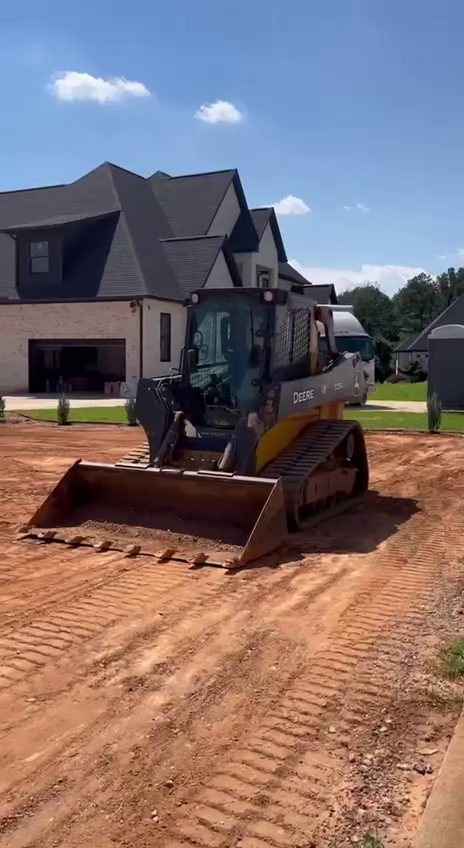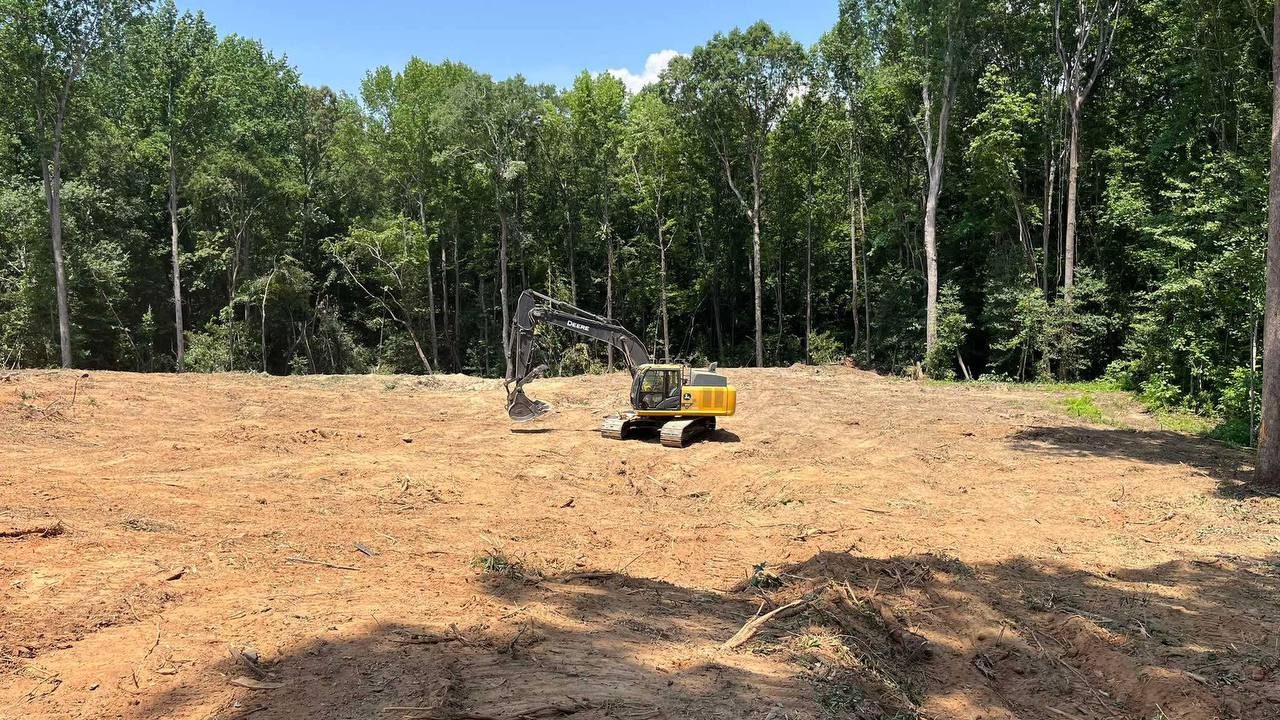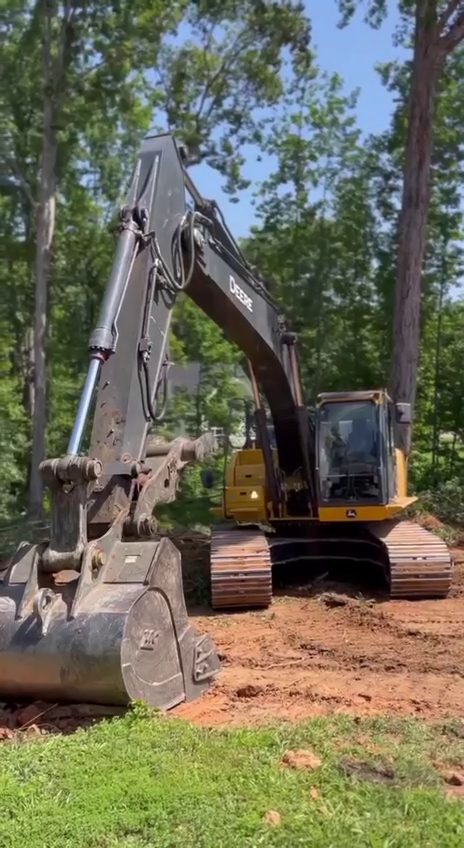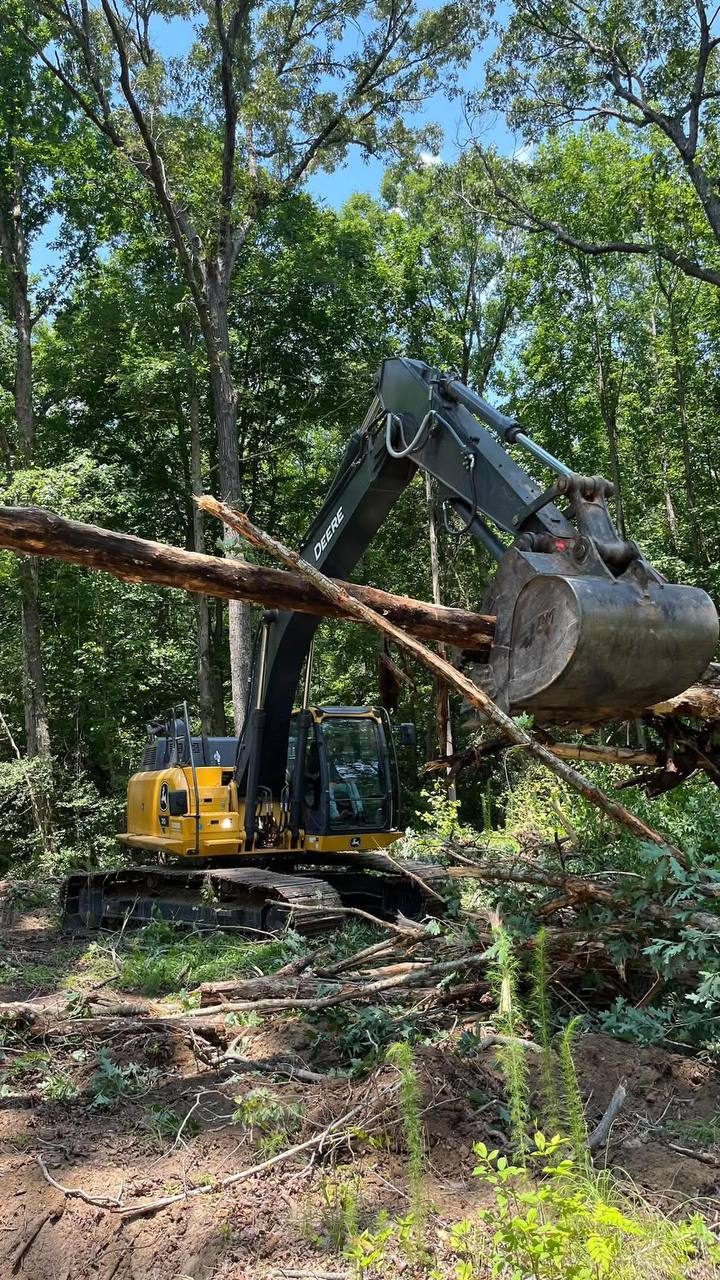
Piedmont clay shapes every decision before the first stone drops
Simpsonville sits in South Carolina's Piedmont, where the dense red clay that defines the landscape from Greenville County south holds water, sheds it sideways, and does not let angular gravel lock into place the way sandier soils do. That clay is the first thing a thorough installer accounts for and the first thing a price-first bid skips. Without a compacted base layer and a geotextile separator between the base and native subgrade, finish gravel migrates downward over time. What looks like a solid driveway in spring looks rutted and soft-edged by the following winter — and the same seasonal moisture cycle that keeps the Upstate green from March through May saturates clay subgrades from November into early spring, the worst possible condition for unstabilized stone.
The practical outcome: Simpsonville driveways need a heavier base specification than many homeowners expect when they first price the job. The standard approach uses a four-to-six-inch layer of compacted crusher run as the structural foundation, with the decorative top stone — #57 limestone, crushed granite, or washed slate — set above it. That two-layer system is not visible in the finished product, which is precisely why it gets cut on fast bids. The gravel driveways overview covers material choices in detail; the clay question is what makes this market its own.
What jobs cost in Greenville County
Installed prices here run from under two thousand dollars for a short residential drive with a stable existing base, to twelve thousand for a long rural connection with drainage prep and significant compaction work. The gravel driveway cost guide carries the full line-item breakdown; the table below shows where common job types land in this market.
| Job Scope | Typical Installed Range |
|---|---|
| Short driveway (under 60 ft), existing base reusable | $1,800 – $2,800 |
| Standard 2-car residential, full base and gravel | $2,800 – $5,500 |
| Long driveway (150 ft+) or steep-lot grading required | $5,500 – $8,000 |
| Extended rural drive with drainage or erosion control | $8,000 – $12,000 |
Several factors specific to Simpsonville push jobs toward the upper end of their range. Older subdivisions carry lots where native clay sits close to grade and needs deeper prep than newer developments built on engineered fill. Properties outside city limits along Greenville County roads add linear footage fast — a driveway connecting a home to a county road through 250 feet of Piedmont clay is a materially different scope than a 60-foot suburban pad. Any quote that prices them identically should prompt questions about what the base specification actually includes.
Rainfall, runoff, and why drainage is part of the scope
Greenville County sits in the Upstate, one of the wetter corners of South Carolina. Federal disaster declarations for this county span 23 events over 2003-2026, the majority tied to storm and flooding events that push runoff across residential lots and rural acreage alike. A gravel driveway that interrupts natural drainage — concentrating flow toward a foundation or into a neighboring property's path — creates problems that outlast the driveway itself.
For projects disturbing one acre or more, federal rules apply directly. The EPA's NPDES stormwater program for construction activities requires a permit and a stormwater pollution prevention plan at that threshold. Smaller residential jobs may still fall under local oversight: the Greenville County Land Development Division administers grading and drainage requirements that apply to residential improvements. Any contractor who does not ask how your site drains before submitting a price has not thought through the full scope of the work. Driveways that already have a runoff or erosion problem are addressed in the gravel driveway washing out guide.
How a durable installation is built
A gravel driveway has three phases that determine whether the finished product holds: site prep, base compaction, and surface layer selection. Site prep means cutting to a consistent grade, removing organic material, and resolving any existing drainage issues before anything is placed. The organic removal step is frequently skipped on fast bids; decomposing roots and old sod beneath a base layer settle unevenly and create soft spots within two to three seasons.
Compaction is where equipment separates contractors. A mechanically compacted base — plate compactor or vibratory roller — seats aggregate against clay subgrade in a way hand tamping cannot replicate. On runs over 100 feet, the difference in long-term stability becomes visible at the two- and three-year mark. Surface layer selection depends on use: angular crushed stone locks in place under tire load; round river gravel migrates. For residential driveways in Simpsonville, angular material in the half-inch to one-inch range is the standard recommendation for top dressing, with compacted crusher run below it as the structural layer. Getting the sequence right — base first, fully compacted, then surface — is what a second-year driveway looks like versus a first-year one.
Hiring the right contractor for this soil and this climate
South Carolina requires contractors performing general construction work above certain value thresholds to hold a state license. The SC LLR Contractor's Licensing Board maintains a public license lookup — verify any contractor you're considering before signing anything. For gravel driveway work specifically, ask three questions beyond the price: what compaction equipment they bring to the job, how they specify base layer depth for your soil type, and how they handle drainage at the edges of the driveway. The answer to the drainage question tells you whether the contractor is thinking about how your driveway sits in its lot, or just how to drop stone and collect payment.
References from comparable jobs matter more than star ratings. A driveway that looked solid at completion and developed ruts by the second winter tells a different story than the initial review did. Ask for addresses of similar jobs — matching length and lot type — that are at least two seasons old. A contractor confident in their base work will have no hesitation pointing you toward it.