Clay soil and canopy: the two things that set Taylors jobs apart
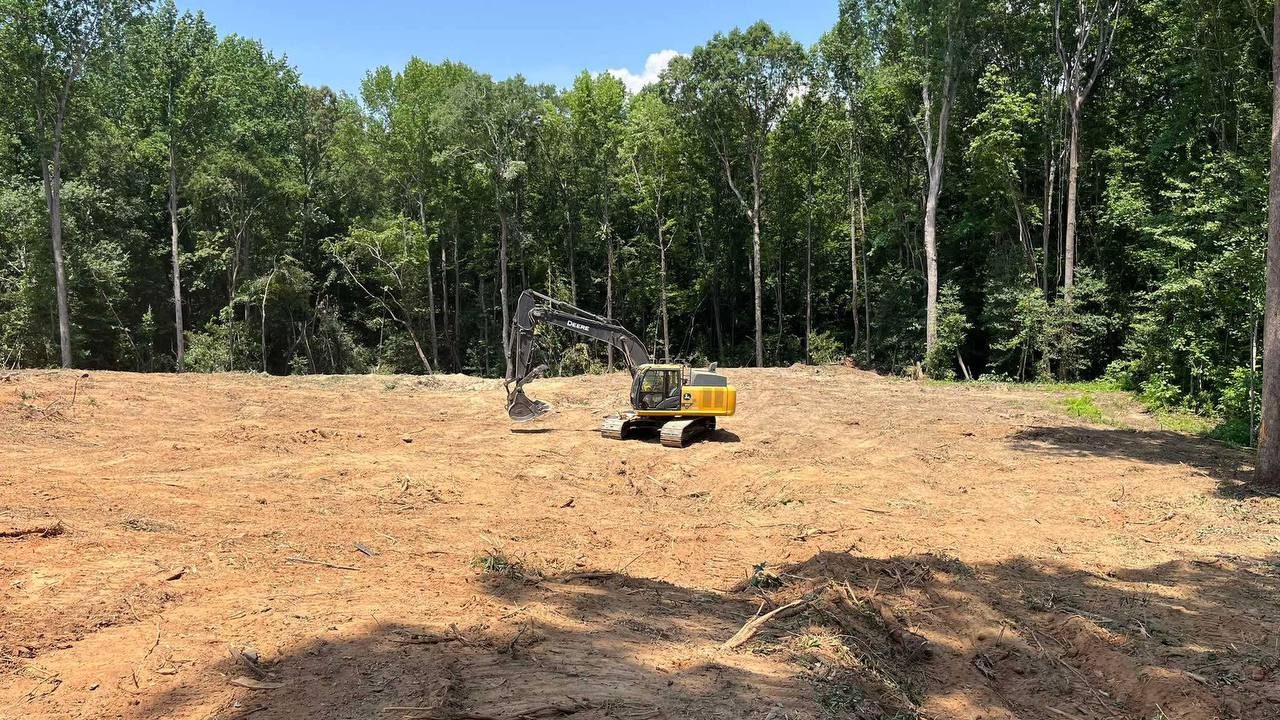
Taylors sits in the northeastern corner of Greenville County, roughly five miles from downtown Greenville, inside the fastest-growing residential corridor in Upstate SC. The housing here ranges from postwar ranch neighborhoods where pin oaks and loblolly pines have had sixty years to root deep, to newer infill lots being cleared for accessory dwelling units, detached garages, and pool installations. That overlap — established canopy over clay Piedmont soil — is what makes clearing work in this zip code different from a coastal lot or a mountain site.
Greenville County's clay-heavy soil grips tree root systems at every depth. When a stump grinder works through a large hardwood root ball in this soil, it moves slower and throws more debris than the same machine on sandy coastal ground. Final grading requires more passes to crown the lot away from the foundation — and if the grade is wrong, the clay holds standing water instead of shedding it. Getting both the clearing and the grade right on the same job is not guaranteed with every crew. The land clearing overview explains what a complete scope looks like and what to verify before work starts.
What clearing costs in this area
Price varies by what is being removed and what finished condition the lot needs to reach. The table below reflects typical ranges for residential work in Greenville County — Taylors jobs sit at the moderate-to-upper end of each range when mature hardwoods are involved. For the full line-item breakdown, see the land clearing cost guide.
| Scope | Typical Range |
|---|---|
| Brush and undergrowth only (½ acre or less) | $750 – $1,800 |
| Residential lot, light to moderate tree cover | $1,500 – $3,500 |
| Residential lot, dense mature canopy | $2,500 – $5,000 |
| Lot clearing with stump grinding included | $2,500 – $6,000 |
| Full clearing, stump grinding, and grading | $3,500 – $8,000 |
| Wooded acreage (1+ acres, heavy cover) | $7,000 – $10,000+ |
Clay soil pushes most Taylors jobs toward the upper half of their range — not because labor costs more here, but because the work takes longer. A single large white oak on a clay lot can add an hour to stump extraction that a coastal pine would not.
Permits, runoff, and what Greenville County requires
Land-disturbing activity in Greenville County that affects one acre or more triggers a formal permit process through the Greenville County Land Development Division, including a Stormwater Pollution Prevention Plan. Jobs that disturb less than an acre may not require a full permit, but county drainage and erosion-control standards still apply — a cleared lot without proper runoff controls can push sediment into storm systems, carrying real liability for the property owner.
Projects that meet the threshold for federal construction-site discharge also fall under EPA NPDES stormwater rules, which require a Notice of Intent before ground disturbance begins. Greenville County has seen 23 federal disaster declarations tied to storm and flood events (2003-2026). That record is a reminder of how fast water moves through cleared Upstate SC land — particularly on the sloped lots common in and around Taylors. Any crew that skips the runoff conversation is skipping the most consequential part of the job.
Brush clearing versus full clearing on a Taylors lot
Not every job requires a track machine and a full clearing crew. If the goal is reclaiming an overgrown yard edge, managing a fence line that has gone to scrub, or removing invasive growth without disturbing the soil, brush clearing is the right starting point — it is faster, lower-impact, and preserves root systems that hold clay soil in place. That matters on lots where the existing grade is already working. Once a machine starts moving soil, you have committed to a finished grade and a drainage outcome that needs to be engineered, not assumed.
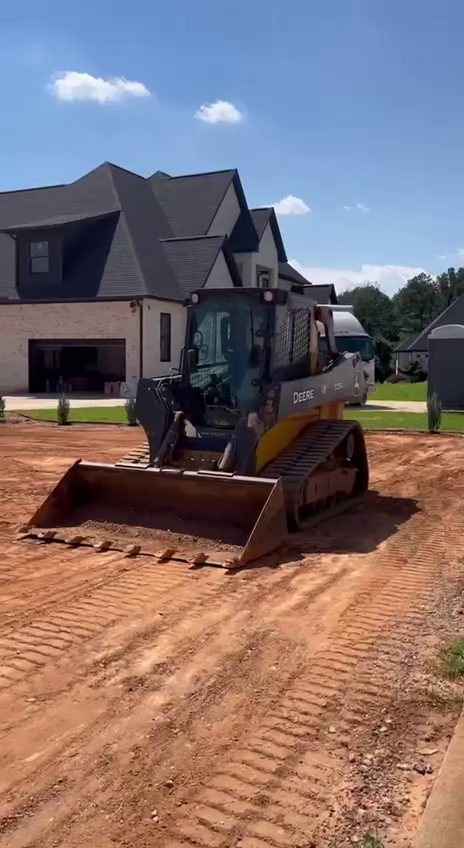
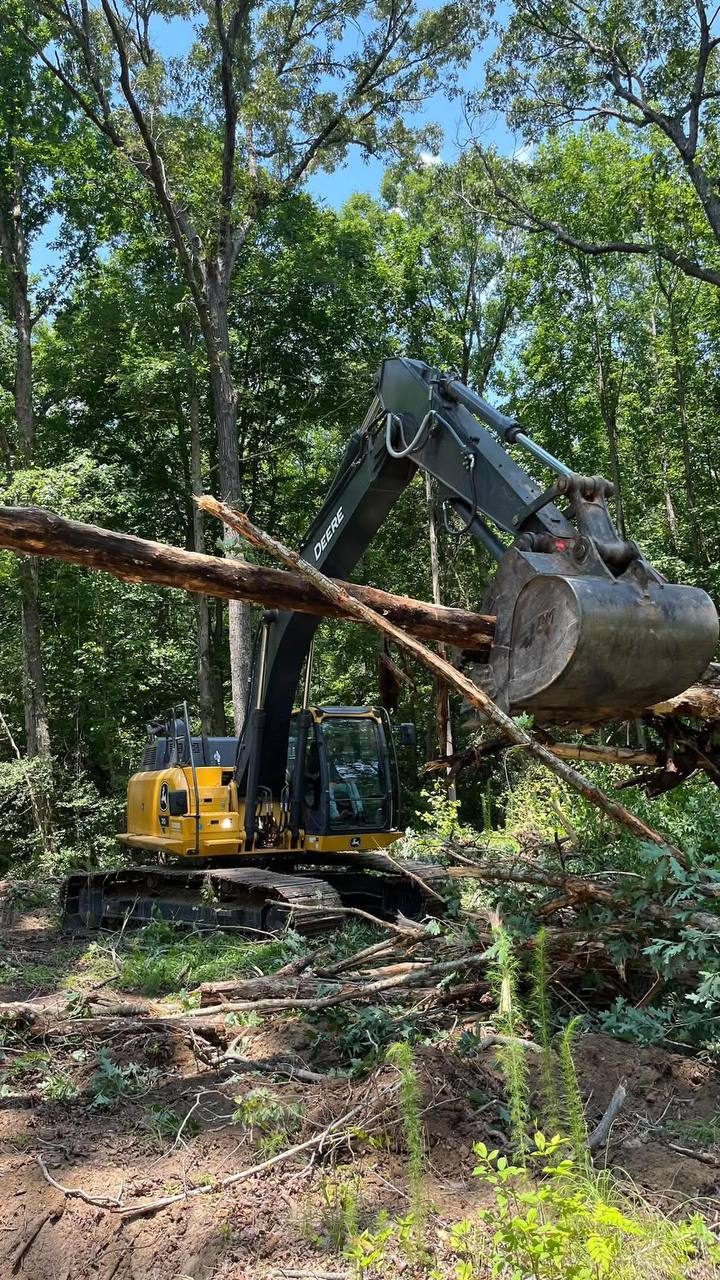
Full clearing makes sense when the goal is construction, a large impervious surface, or a complete lawn installation from scratch. That scope includes felling, chipping or hauling, stump grinding, and final grading with positive drainage established before the crew leaves. The difference between a job that ends with a usable lot and one that ends with a muddy low spot takes shape in how those final steps are sequenced.
Choosing a contractor for work in Greenville County
South Carolina regulates contractor licensing through the SC Contractor's Licensing Board at LLR. Once a clearing job includes grading, drainage work, or any structural site preparation, it crosses into licensed-contractor territory under state law. For most residential clearing in Taylors, that threshold arrives earlier than homeowners expect — combine stump removal, regrading a slope, and any drainage tie-in, and you are past what an unlicensed crew can legally complete.
Three questions worth asking before you book: whether the crew has worked Greenville County's clay-heavy Piedmont soil specifically (coastal or mountain experience does not transfer directly), whether they carry liability and workers' compensation insurance, and whether their quote includes haul-off of stumps and debris or just grinding to grade. That third question explains most of the variance between competing bids. When you are ready to compare numbers against what the job should actually cost, the land clearing cost guide breaks down each line item for this region.